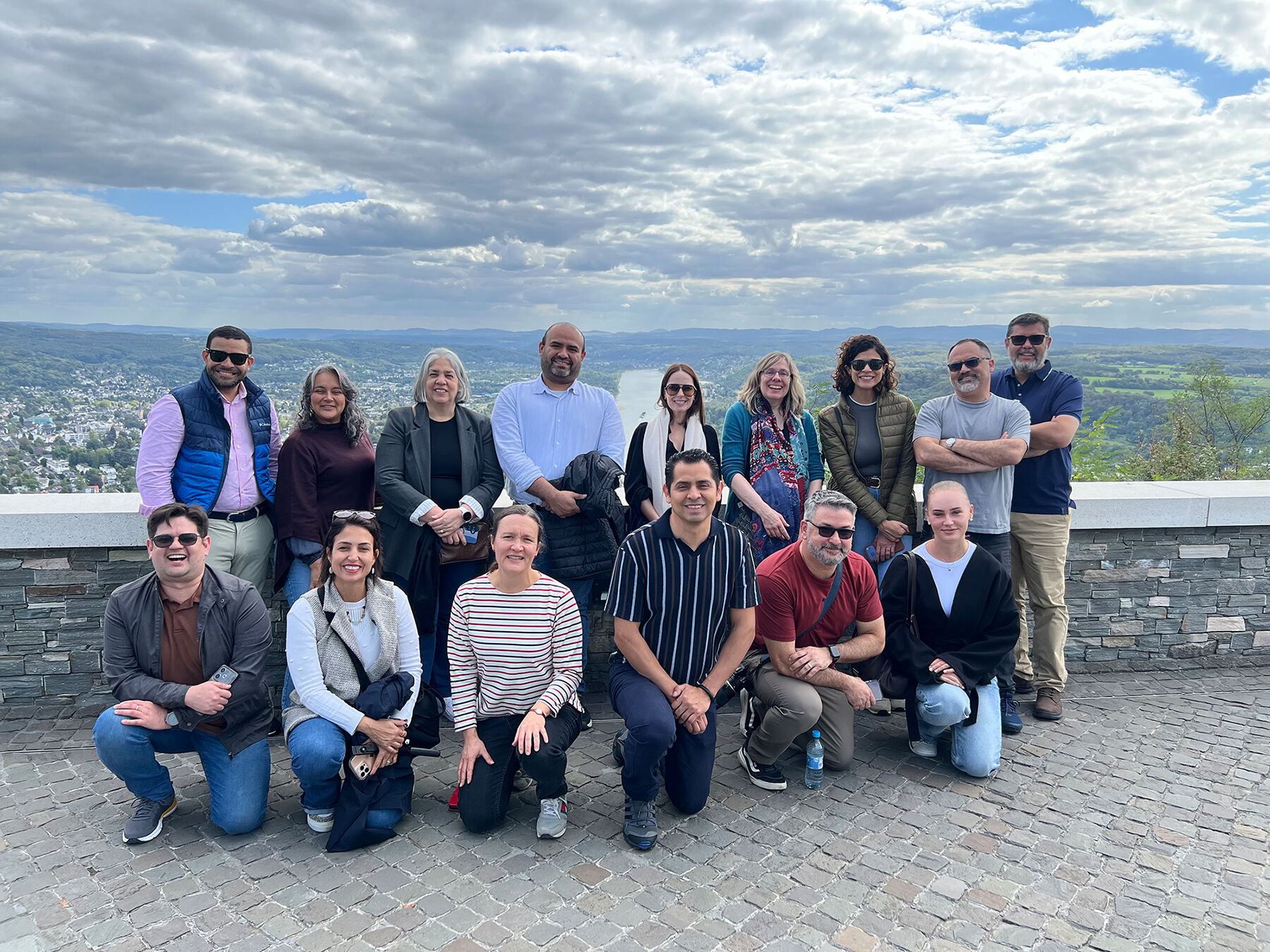
Latin American Alliance visits BIBB
Study visit by the Alliance for dual VET in Latin America and the Caribbean combines insights into the German system of vocational education and training (VET) with an international exchange of experiences.
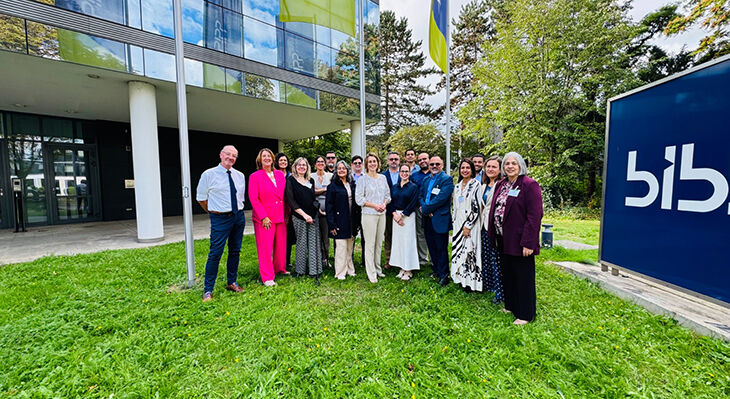
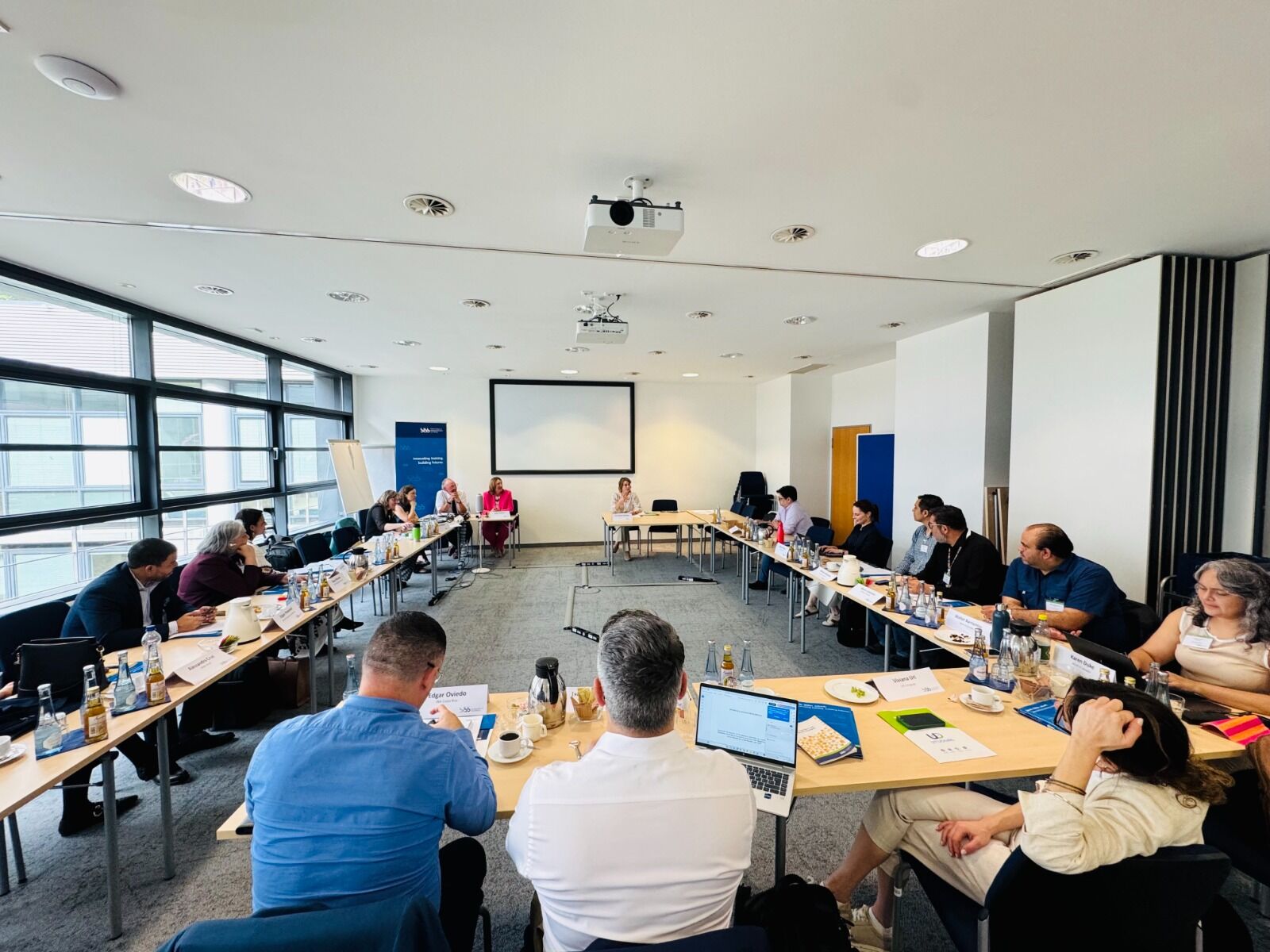
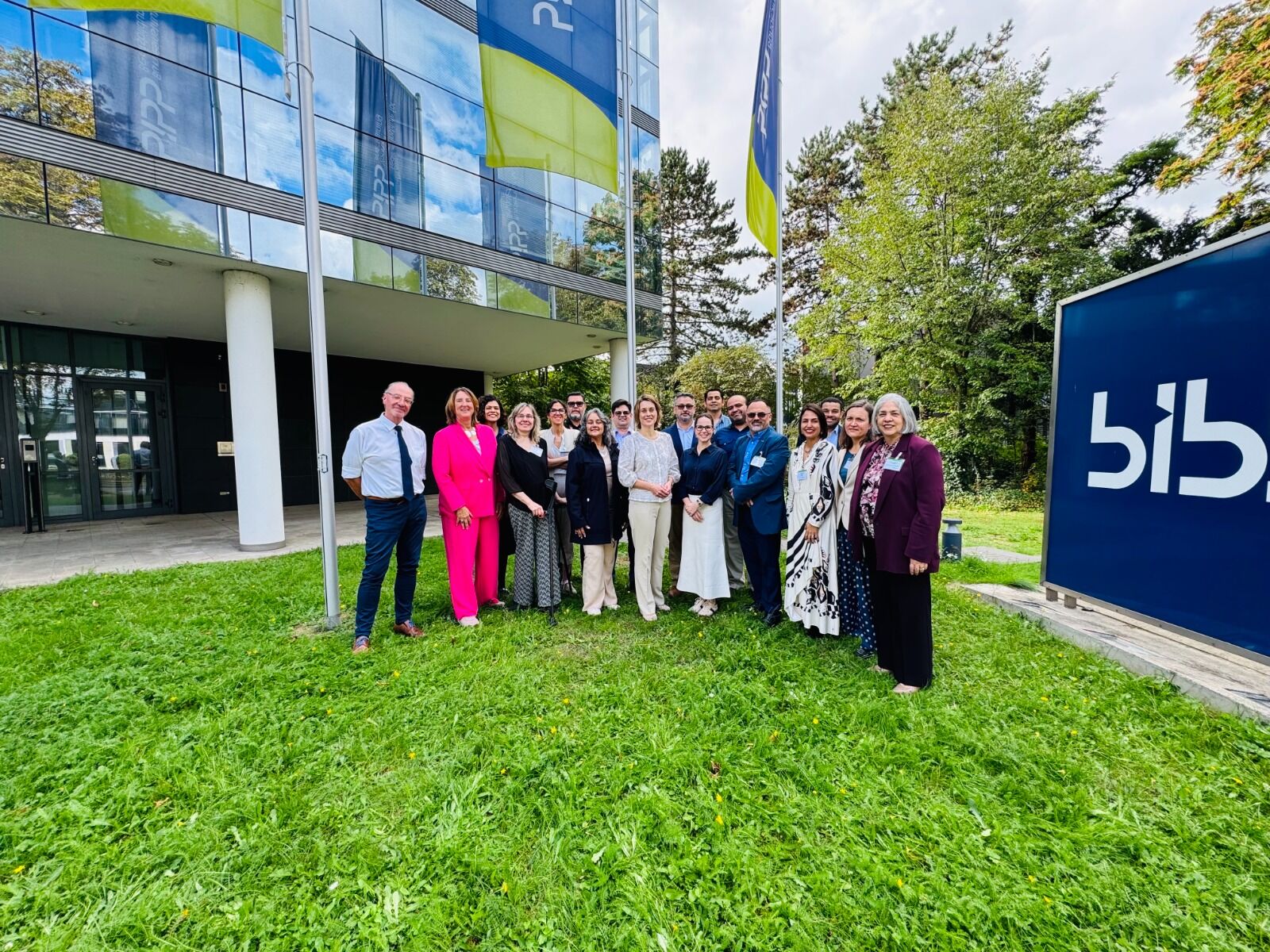
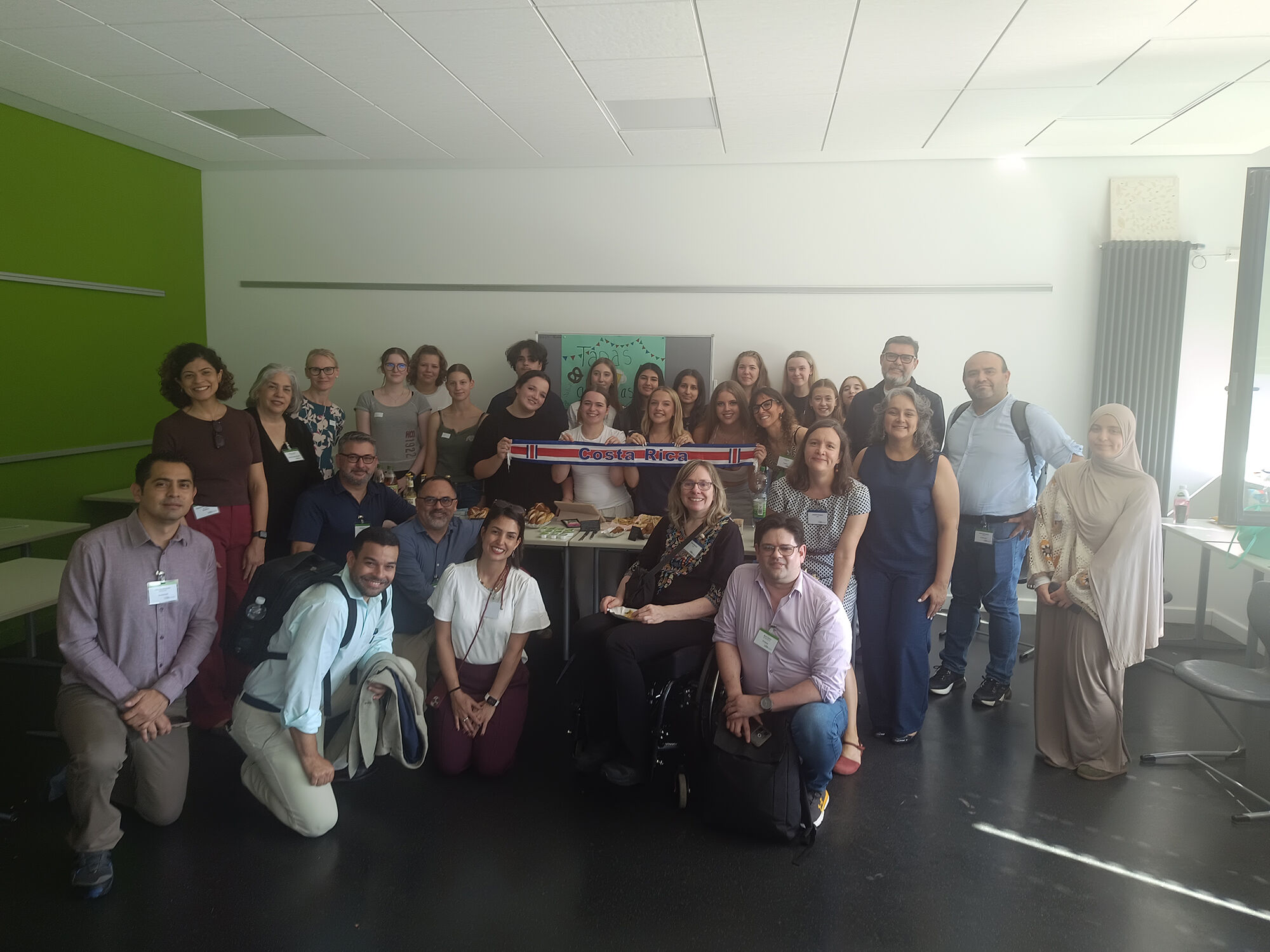
In mid-September, 13 vocational training experts from seven Latin American countries took part in a study visit organised by BIBB. They were members of the Alliance for dual VET in Latin America and the Caribbean, which BIBB helped to launch in 2021 and has been providing technical support for ever since. During the five days spent in Bonn and the surrounding area, the focus was on key elements of dual vocational training and the question of what insights could be gained from this for different national contexts.
Learning in both directions
During the official welcome at BIBB, President Dr Sandra Garbade also emphasised this point: international cooperation means more than just the exchange of information. Different experiences should be brought together and used for mutual learning and the exchange of expertise. After all: “You are here not only as visitors, but also as experts with extensive institutional and professional experience. Our professional exchange can help to identify effective solutions to similar challenges in our countries,” emphasised Garbade.

Rebeca ParkerPresident of INCAF, El Salvador
“Dual vocational training works because it is supported by a broad system: companies that take on a training role, institutions that coordinate, quality standards, and clearly defined responsibilities. The experience with BIBB allowed me to see this architecture in practice and understand that El Salvador’s challenge is not to replicate the German model, but to adapt its principles to build a system of our own.”
The dual system from different perspectives
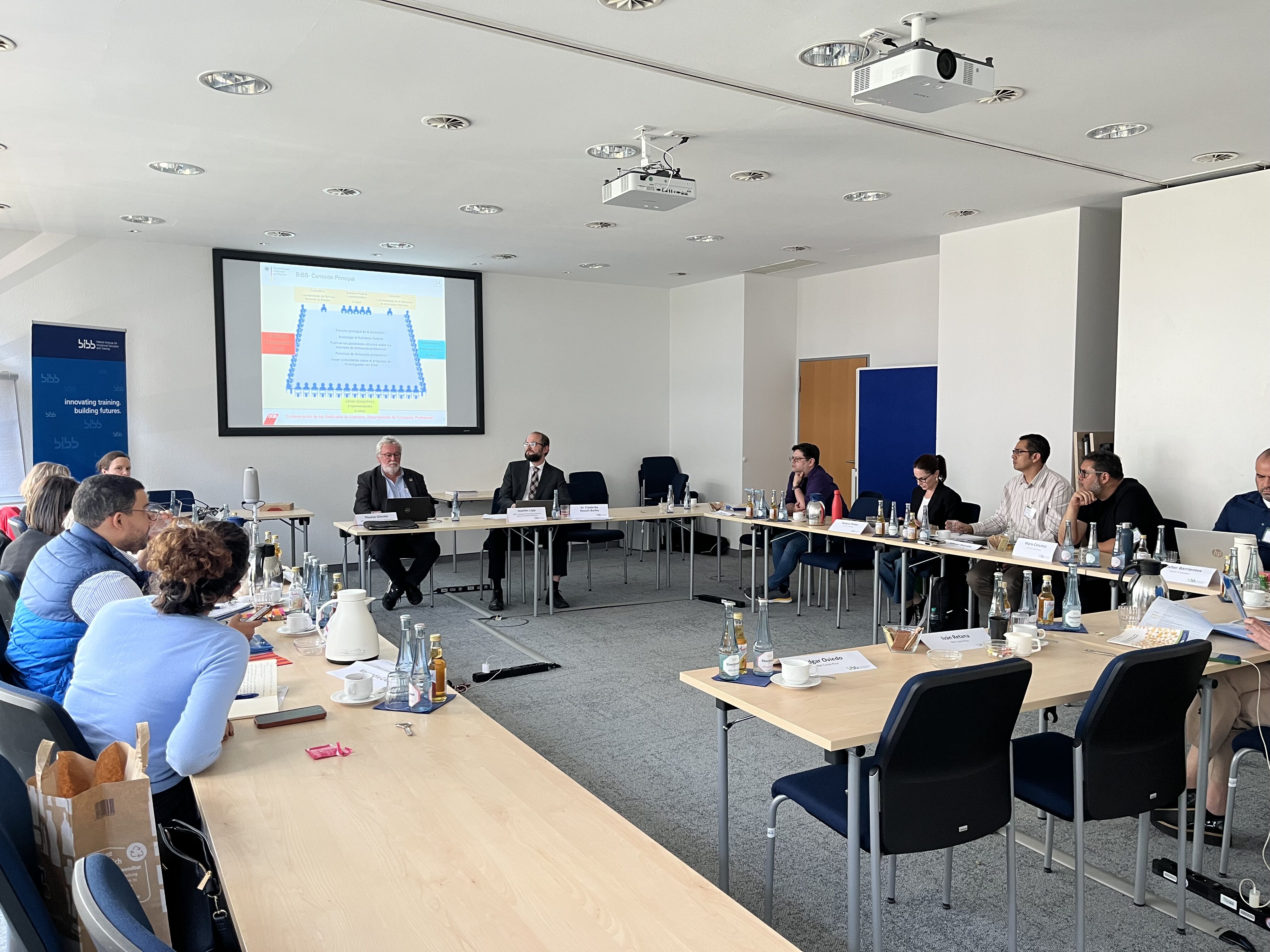
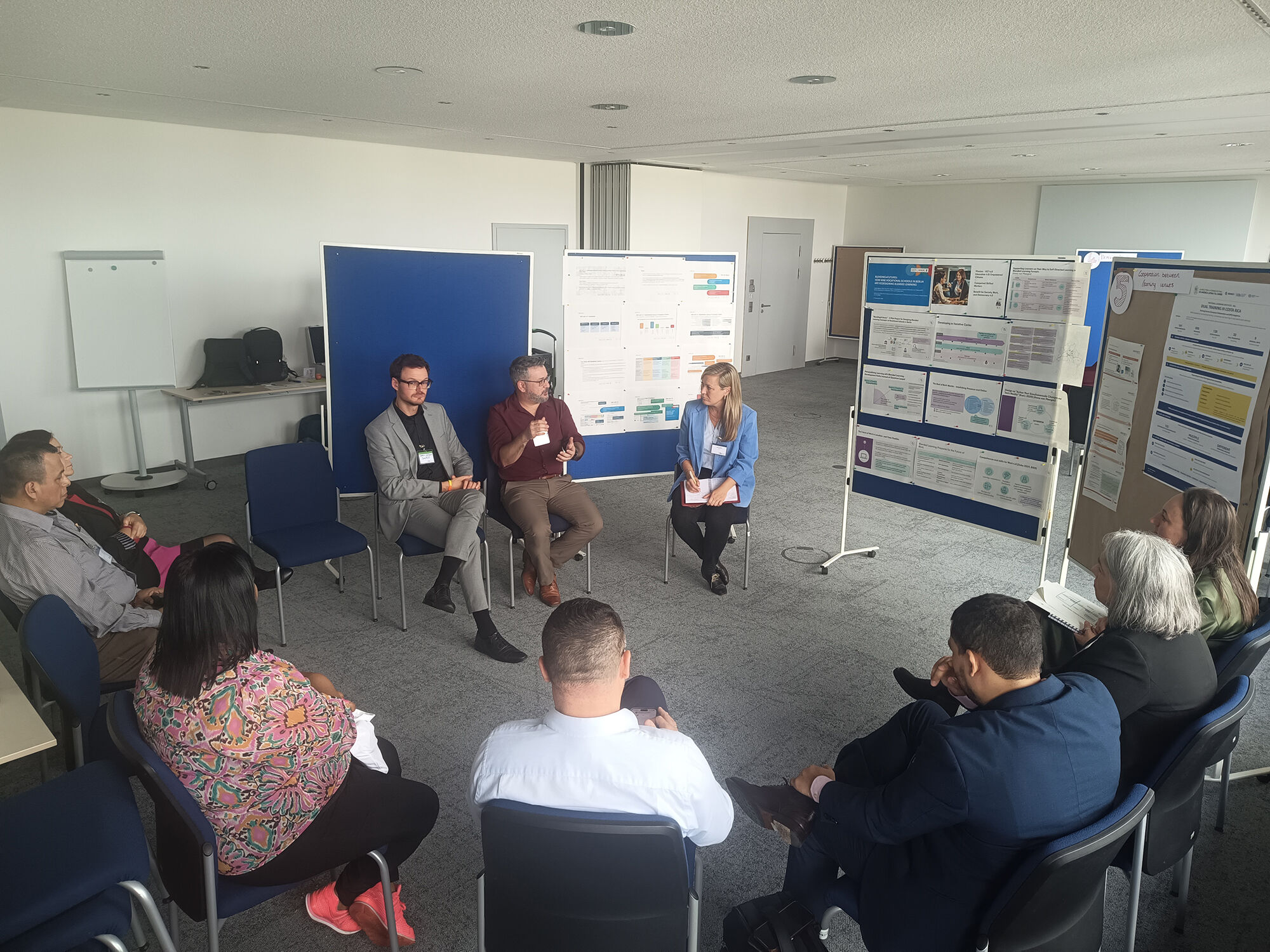
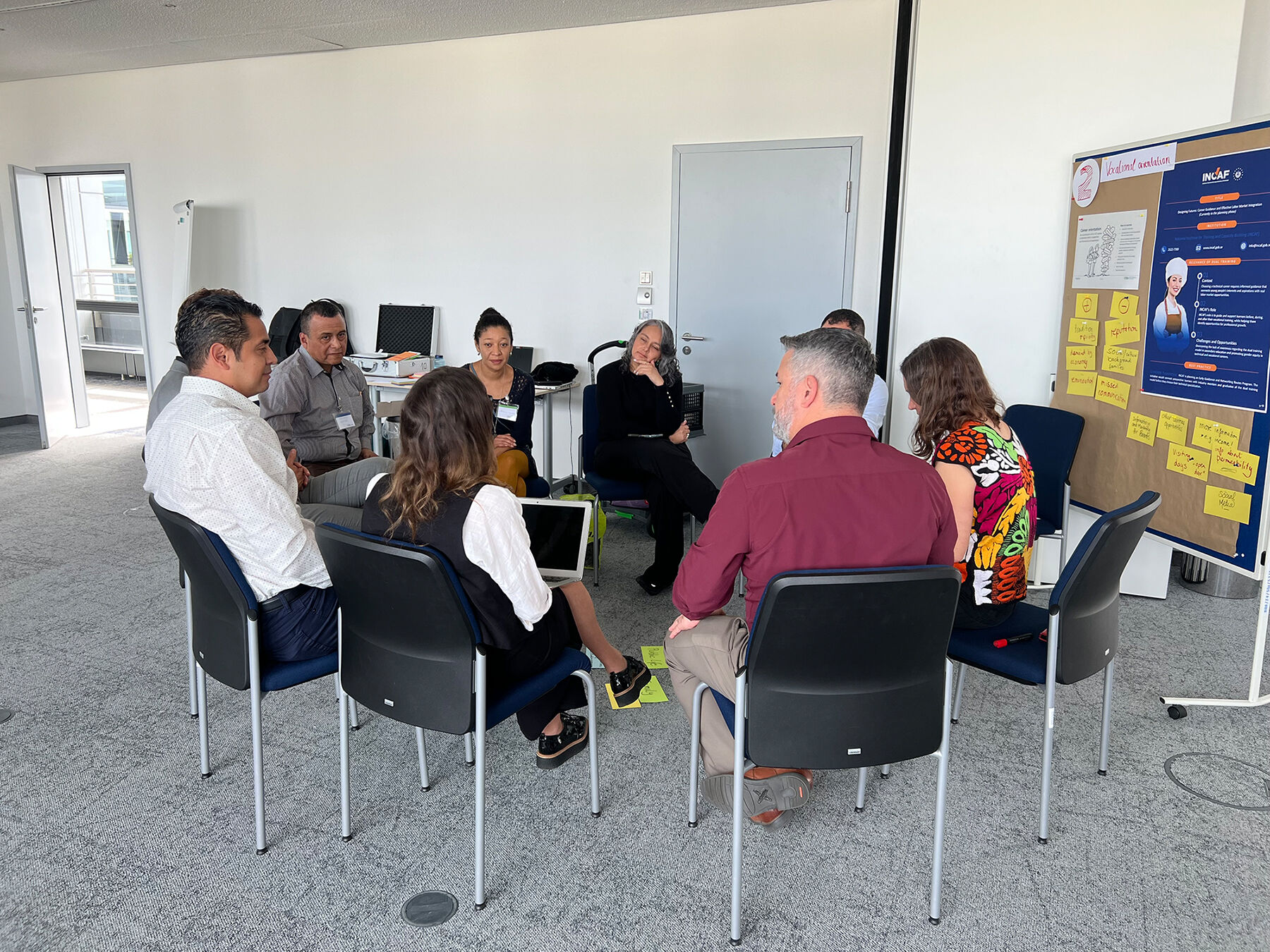
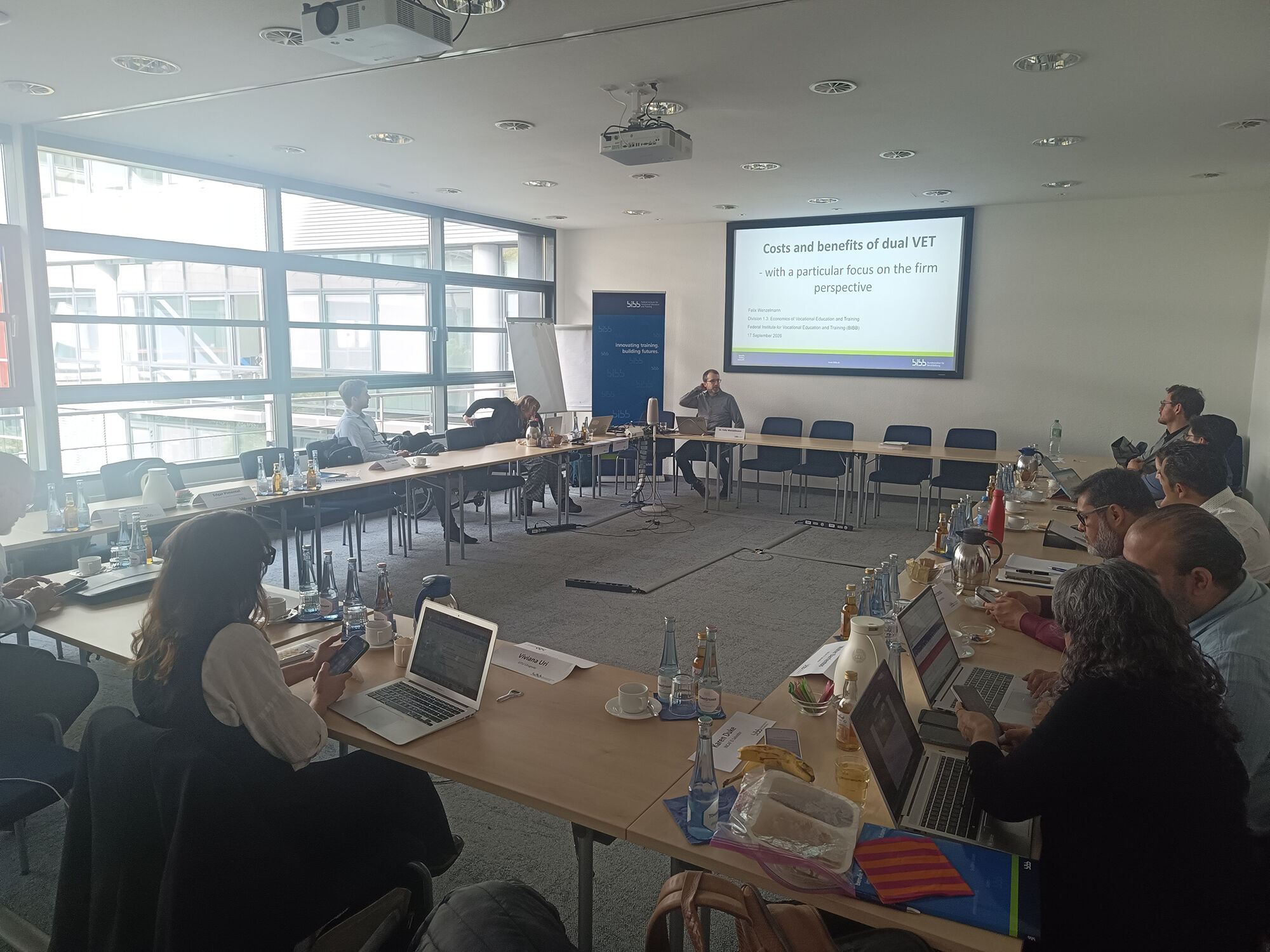
The programme combined visits to various learning venues with expert input from BIBB specialists, as well as joint reflection sessions. On the one hand, the participants learnt about the basic structures of the German dual system and the role of BIBB. BIBB experts provided in-depth information on the topics of the development and modernisation of training regulations, the funding and cost-benefit analysis of in-company training, quality assurance in vocational training, training staff and the Leando platform, as well as a practice-oriented research project in the field of training regulations and climate adaptation. As part of an interregional forum, BIBB facilitated an exchange between the Latin American guests and German VET experts. At five thematic round tables, Latin American and German experts discussed digitalisation and artificial intelligence, career guidance, the involvement of small and medium-sized enterprises, democracy and inclusion, and cooperation between learning venues.
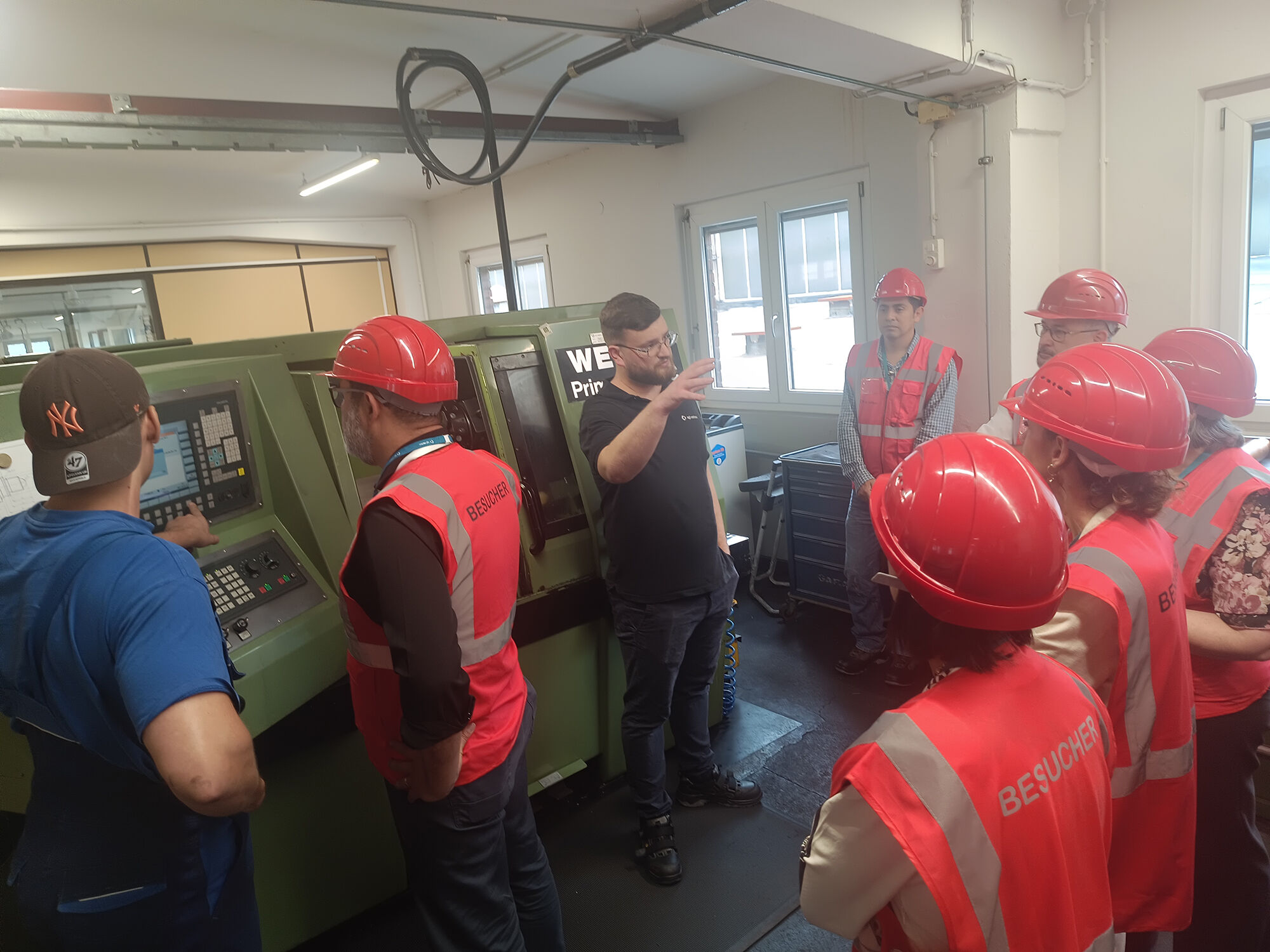
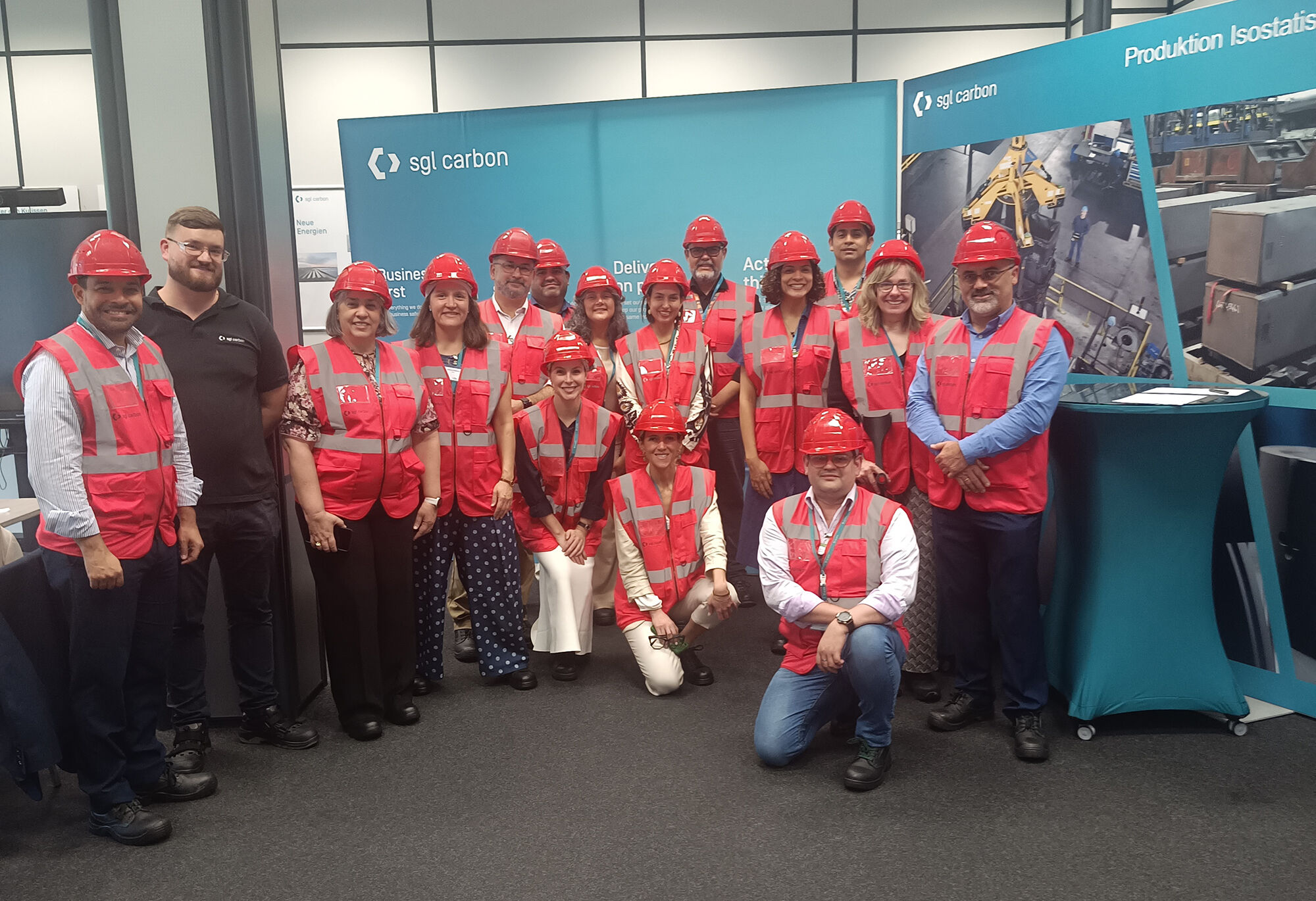
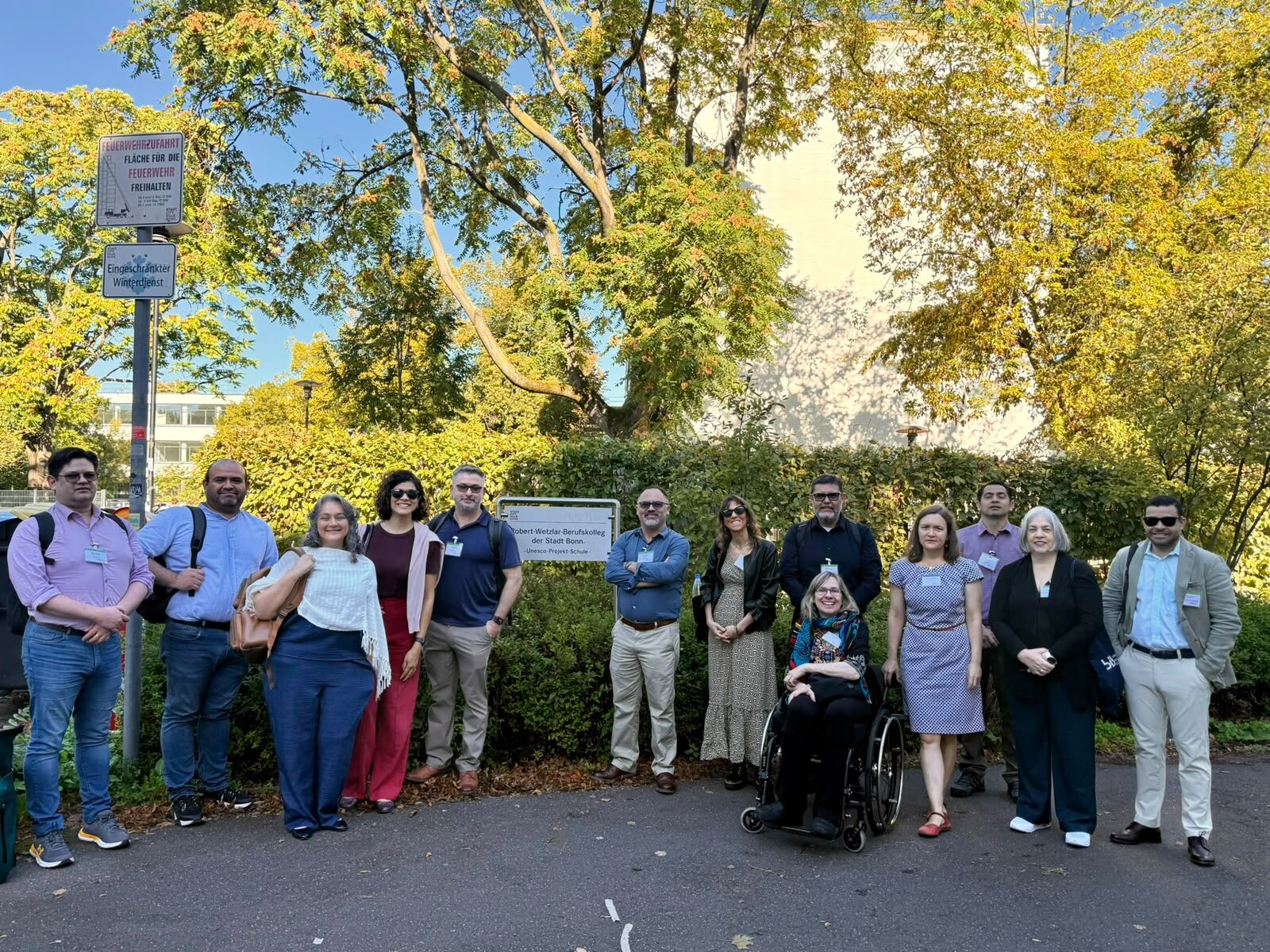
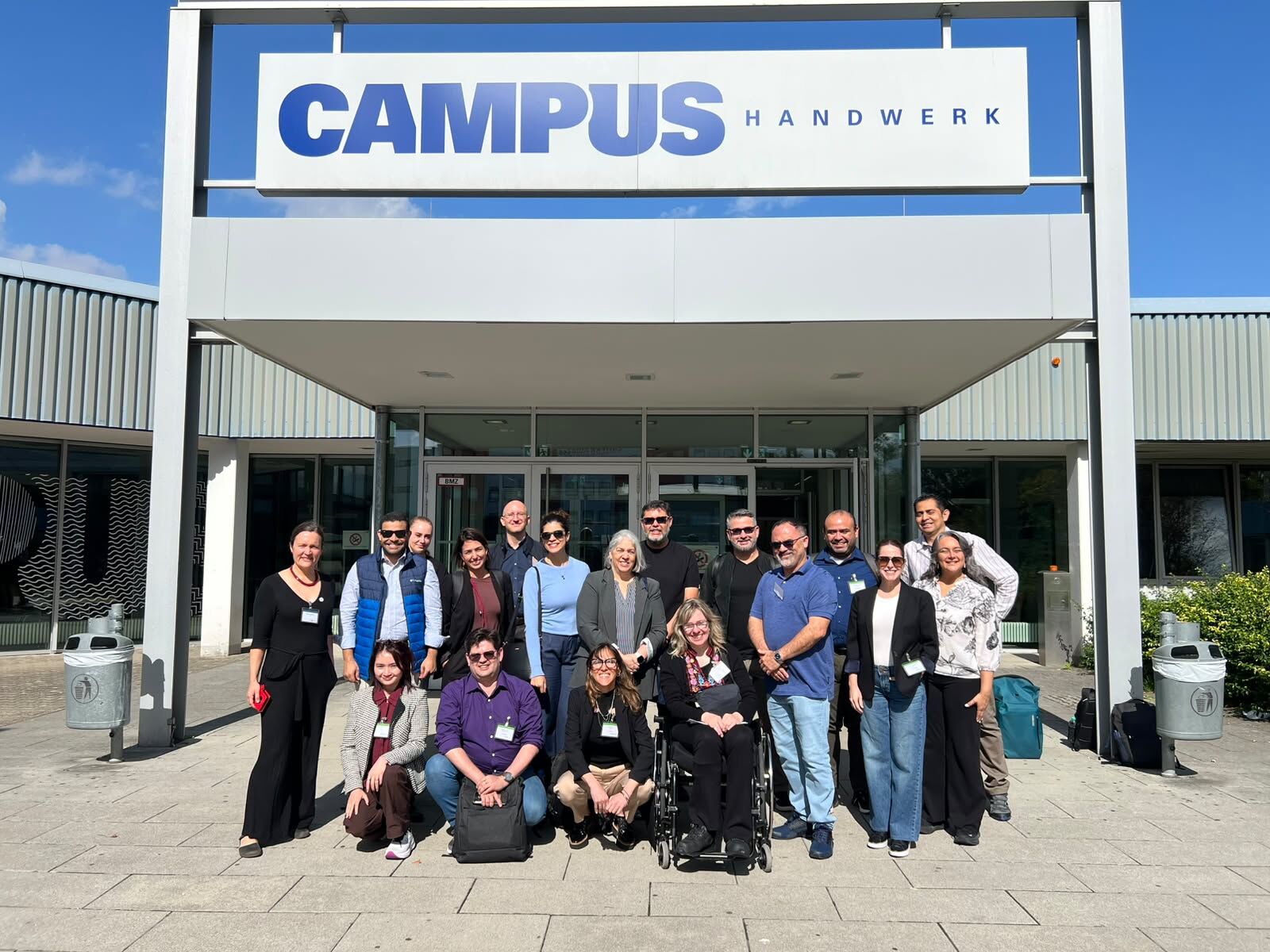
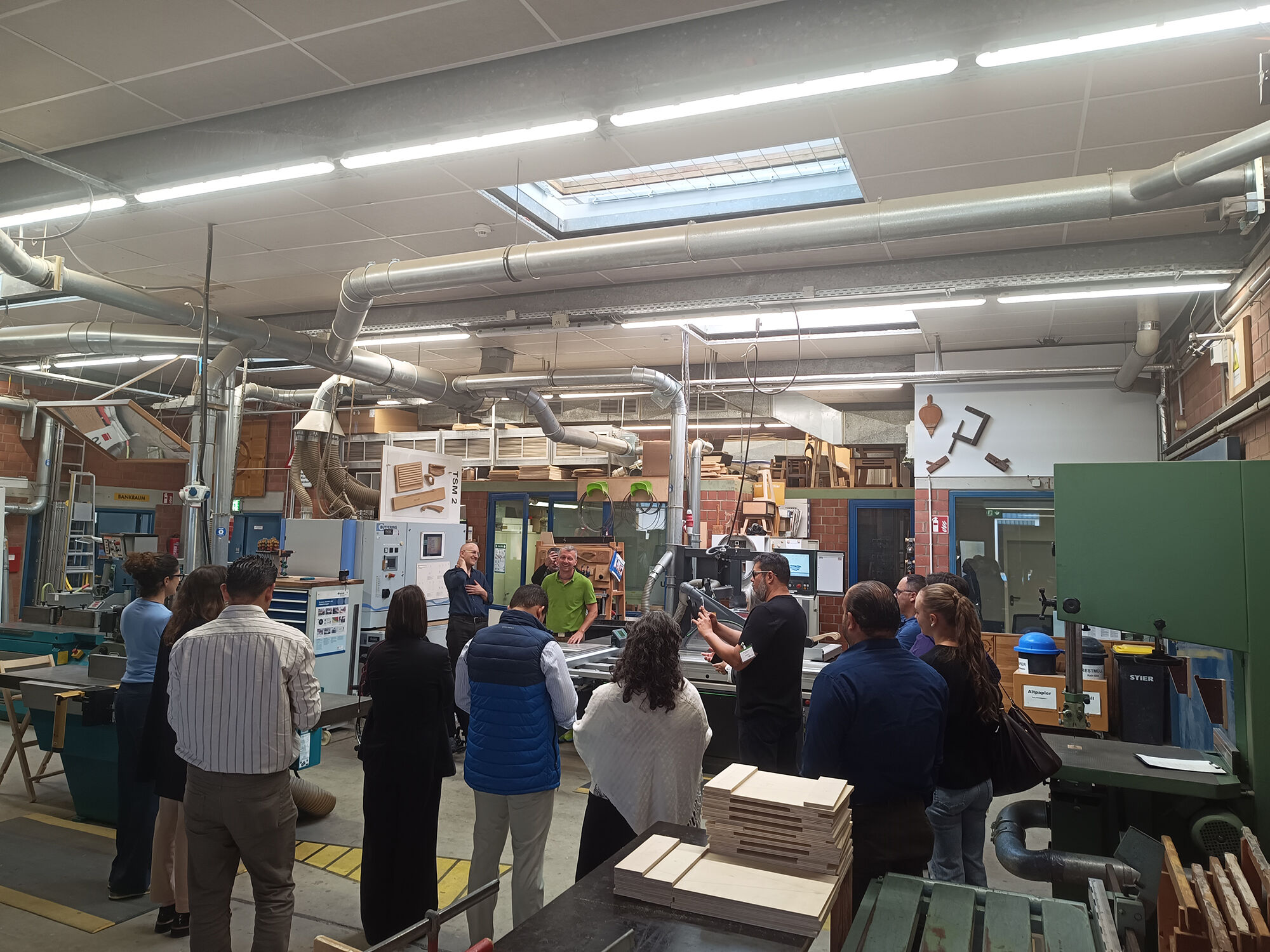
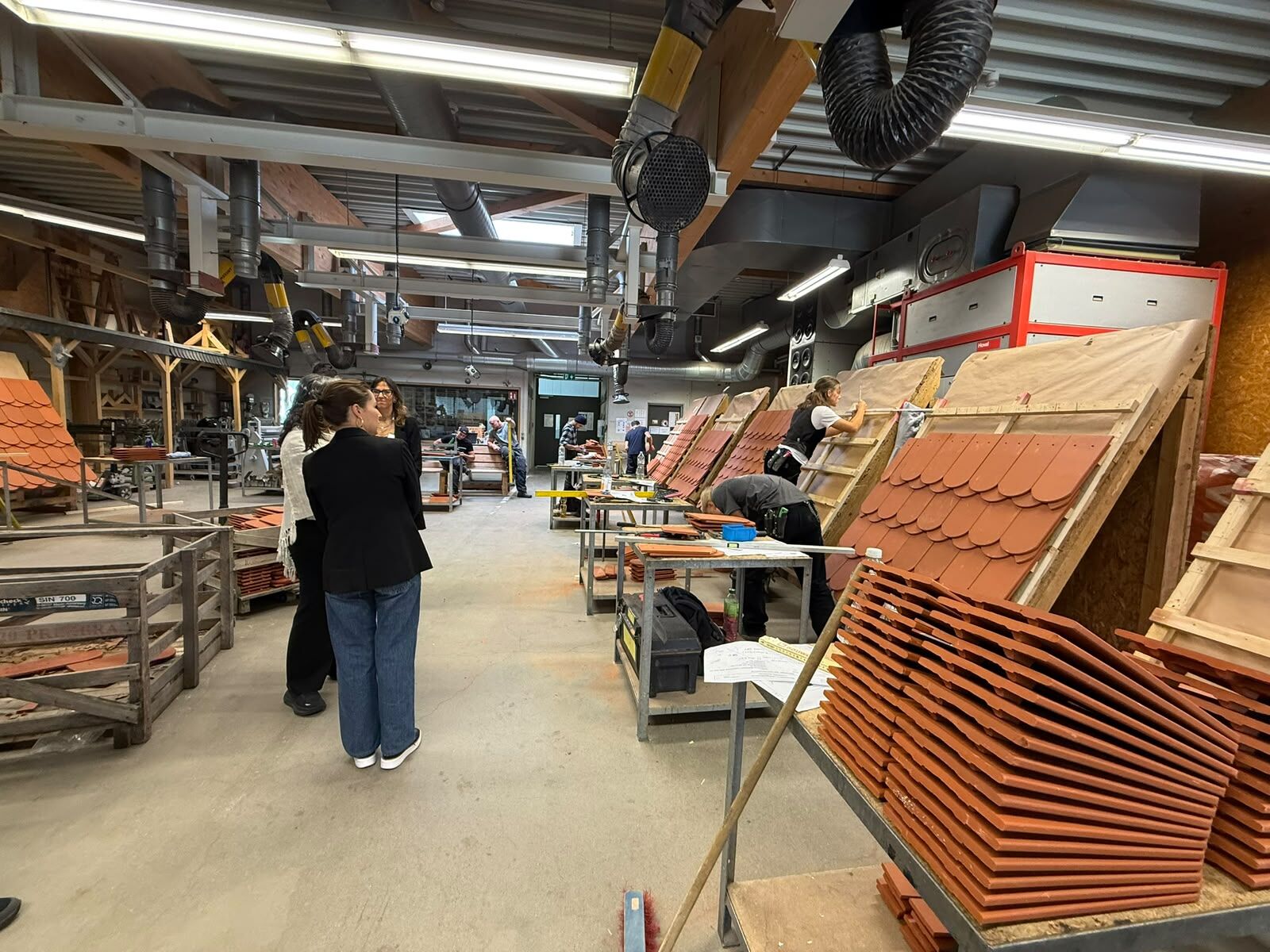
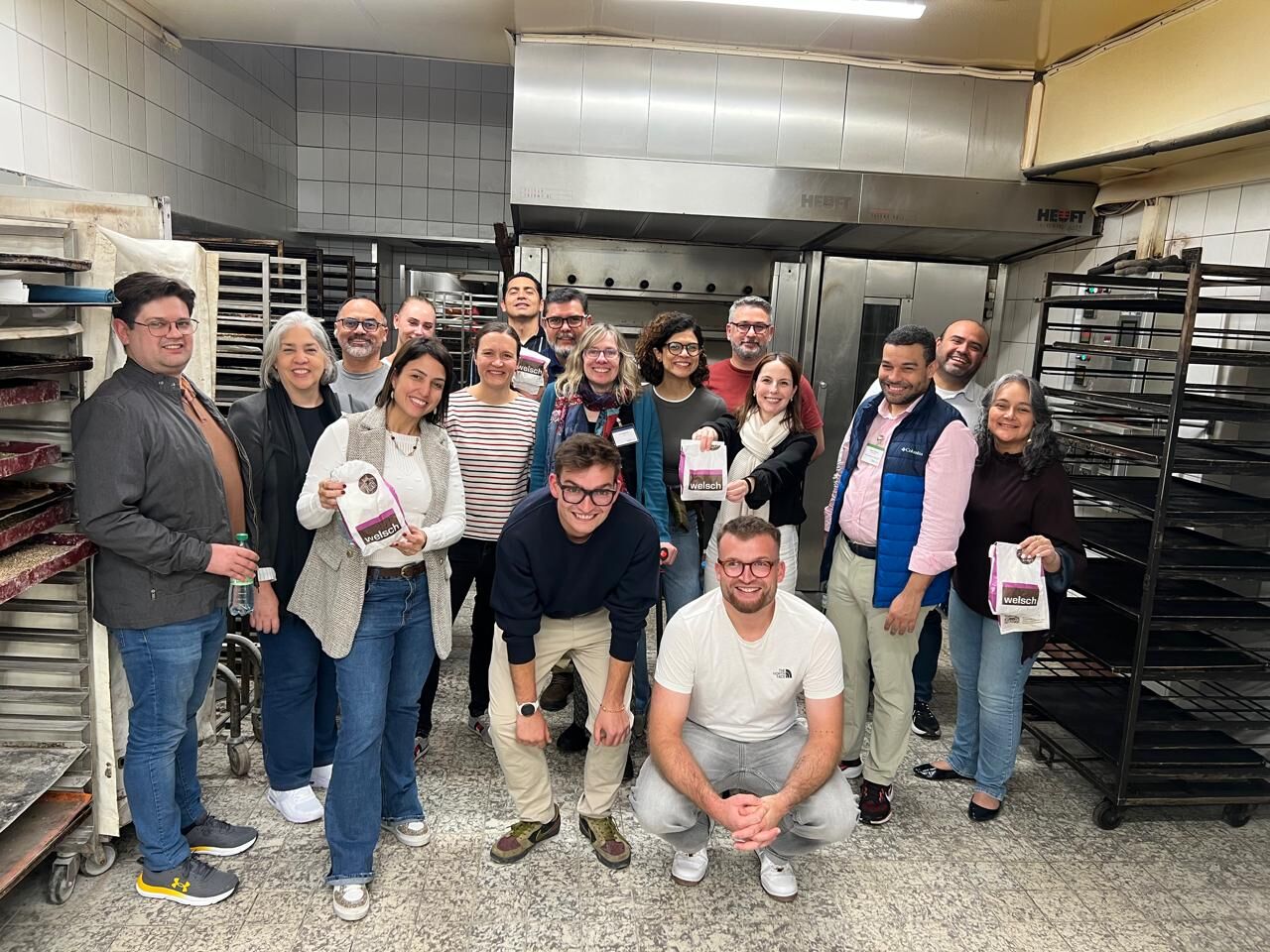
Site visits and technical discussions at two companies (SGL Carbon in Bonn and Bäckerei Welsch in Bad Honnef), an inter-company training centre (Campus Handwerk of the Cologne Chamber of Crafts) and a vocational school (Robert-Wetzlar-Berufskolleg Bonn) provided an opportunity to compare theoretical frameworks with real-world practice.
The governance of dual vocational training was also examined from various perspectives. Together with Thomas Giessler from the German Trade Union Confederation (DGB) and Joachim Lapp from the German Business Council for Vocational Training (KWB), the participants discussed how differing interests are reconciled in the design of the German vocational training system. This also highlighted the fundamental principle of vocational training systems: it is not the existence of specific institutions alone that determines the functioning of dual vocational training, but rather the interaction between the state, industry, social partners, educational institutions and other stakeholders.
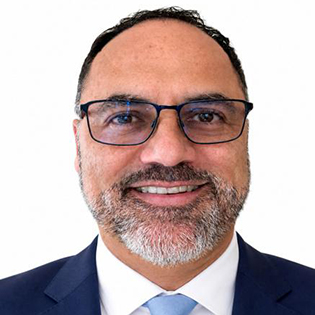
Edgar OviedoExecutive Director of INA, Costa Rica
“It was an intense week, packed with valuable information about the German dual system. I am returning to Costa Rica with numerous ideas for urgent improvements to our current dual model, and with the peace of mind that comes from knowing we can count on the collegial and friendly support of BIBB.”
Particular interest in the role of the Chambers
The visit to the Cologne Chamber of Crafts (HWK by its German abbreviation) and its training centre attracted particular interest. The Chambers’ remit and inter-company training clearly illustrated how responsibility, quality assurance and support for training companies are institutionally organised within the German system.
This visit in particular led to in-depth comparisons with the structures in Latin America and the Caribbean. Compulsory membership of a chamber, as is the case in Germany, does not generally exist in the countries represented. At the same time, there are other institutional solutions for the funding and organisation of vocational education and training. In Brazil, for example, contribution-funded vocational training institutions play an important role – albeit within a vocational training system that is structured very differently.
The participants were also very impressed by the level of commitment shown by companies in Germany. Participation in dual training models is far lower in Latin America than in Germany.
From observation to joint analysis
Once again, the external expert perspective proved very beneficial for BIBB and German vocational training. Even if the questions are not always new, critical reflection always takes place during exchanges with partners. Some of the questions raised by our guests: Does permeability actually work? Why isn’t the German Qualification Framework enshrined in law? How flexible are German training programmes in terms of modular approaches? Do young people have sufficient say in the matter? The exchange was correspondingly lively and took place on an equal footing. Over the course of the week, a shared comparative perspective increasingly emerged: having familiarised themselves with the various elements of the German system, the participants were able to discuss amongst themselves which functions also need to be fulfilled in their own countries – and the solutions, some of which are quite different, that are used there to achieve this.