BILT Bridging Event at DOTS25: Policies for the digital transformation and integration of AI in TVET
25.08.2025
The BILT Conference in Malaysiawas jointly organized by UNESCO-UNEVOC, the Federal Institute for Vocational Education and Training (BIBB), and the host institution of UTHM. This event highlighted a global reality how the digital transformation and the rise of artificial intelligence (AI) are presenting vocational education systems worldwide with similar structural, didactic, and ethical challenges. International cooperation is essential to navigate this transformation effectively, sustainably, and inclusively.
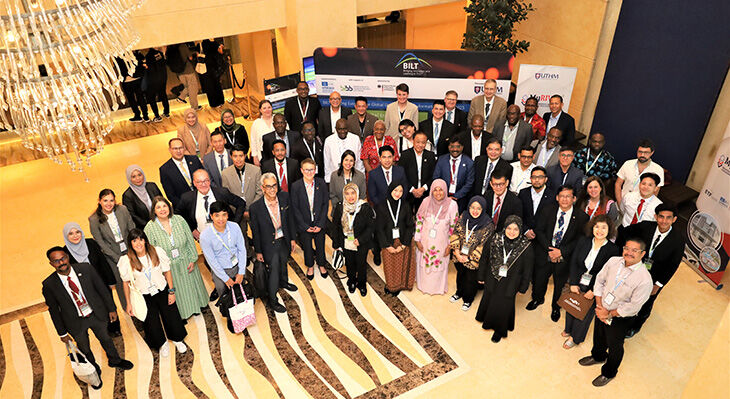
Titled "Policies for the Digital Transformation and Integration of AI in TVET" this BILT Bridging Conference ran from 28-30 May 2025 in Kuala Lumpur, Malaysia. The event was hosted by the UNEVOC Centre at Universiti Tun Hussein Onn Malaysia (UTHM) and co-organized with the Malaysian Research Institute for Vocational Education and Training (MyRIVET), the Malaysian TVET Council, and the Ministry of Higher Education (MOHE). It formed part of the Global Digital TVET Transformation Summit (DOTS 2025).
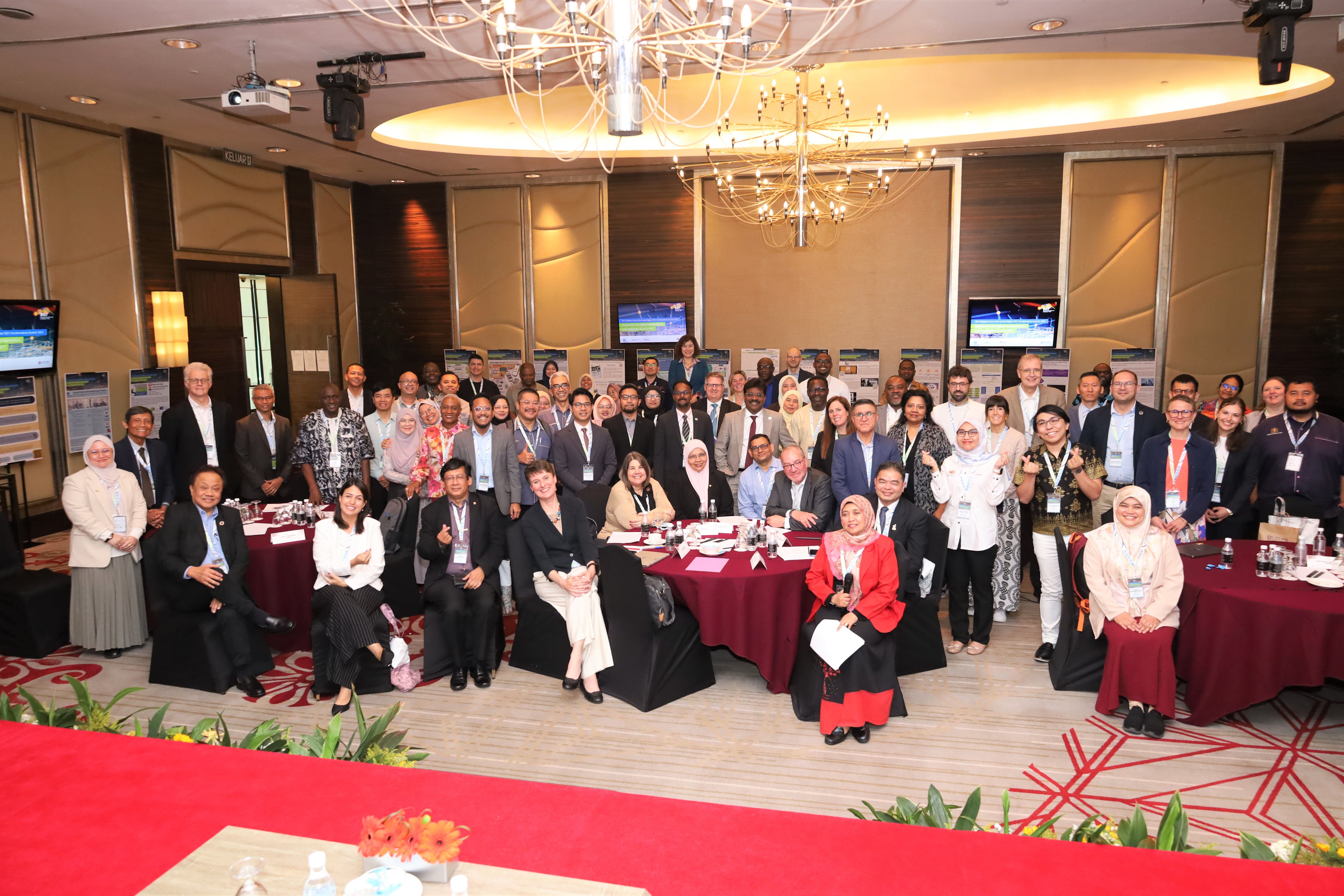
The hybrid-format conference brought together around 60 participants on-site from Asia, Africa, Europe, Latin America, and the Caribbean, along with over 300 virtual attendees via YouTube and LinkedIn. Over three days, discussions focused on global, regional, and national strategies, innovative practices, and insights from international cooperation to advance future-oriented vocational education and training (VET) in the digital age.
Recordings of the DOTS 2025 opening ceremony and the BILT Policy Dialogue are available on the conference website.
Similar yet distinct: Interregional policy dialogue on digital transformation
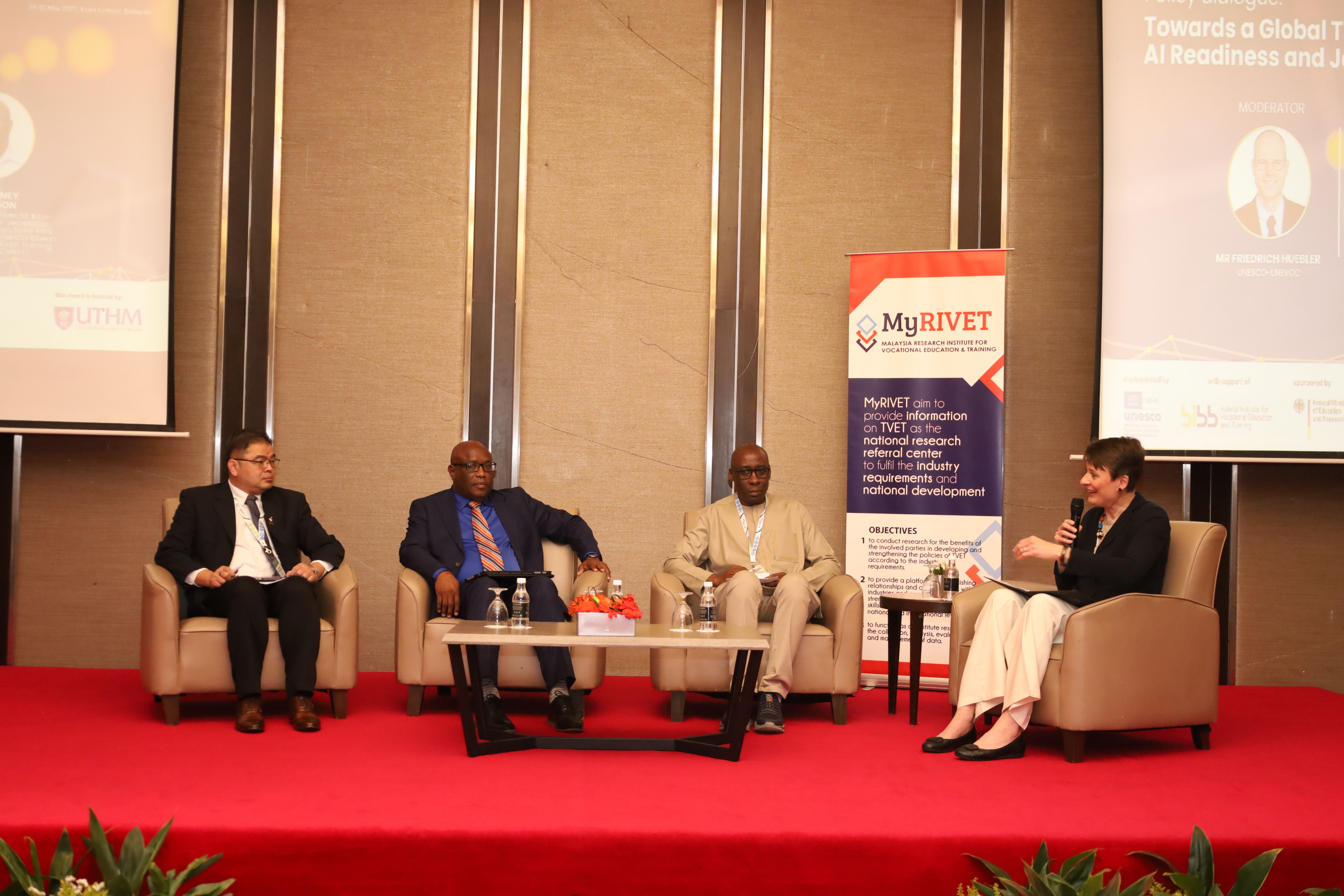
A highlight of the BILT Conference, which was embedded in the DOTS 2025 Summit, was the interregional policy dialogue with representatives from the ASEAN TVET Council (ATC), the African Union Commission (AUC), and the Caribbean Association of National Training Authorities (CANTA).
It became clear that the challenges of digital transformation—such as evolving skills needs, securing a qualified workforce, and ensuring equitable opportunities—are similar across countries. However, the political frameworks, institutional responsibilities, and infrastructural conditions vary significantly. A key question discussed was how to bridge the widespread gap between strategic planning and practical implementation in vocational education systems.
Nicholas Ouma (AUC) emphasized that skills development strategies only unfold their full impact when they are anchored as a cross-cutting issue in national and regional development agendas. It is essential to involve all relevant stakeholders, regardless of ministerial responsibilities, to overcome fragmented governance structures in TVET. Clear structures for cooperation and coordination are key to translating political goals into practice.
Laksasak Yangsaman (ATC) underscored that vocational education can only meet labor market needs if the private sector is systematically integrated into shaping and delivering training. The ASEAN Workplan 2021–2030 identifies such cooperation as a central lever for reform.
Another important focus was on permeability through creating flexible learning and career pathways. Regional cooperation structures, such as those piloted in the Caribbean, play a key role in this context. Kertney Thompson (CANTA) illustrated how common standards and procedures for recognizing informally acquired competencies help align training programs and enable cross-border comparability, demonstrating how permeability is not achieved solely through national policies, but also through coordinated regional efforts.
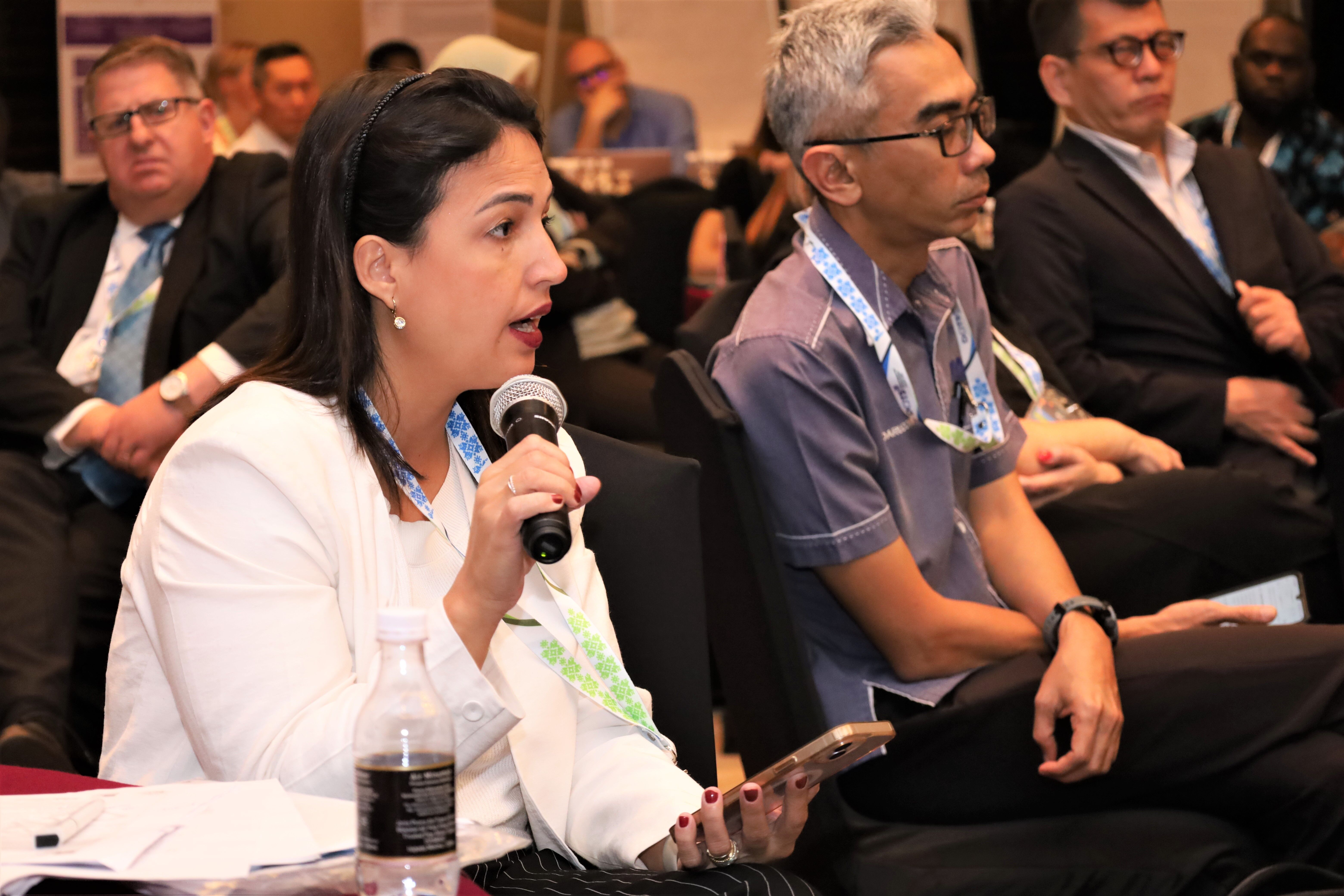
The discussion and subsequent exchange with participants highlighted a wide variety of challenges and solution approaches, reinforcing the importance of international dialogue.
Key Takeaways:
- Digital technologies complement proven training methods but do not replace them. Their added value emerges through pedagogically meaningful integration—e.g., AI-supported personalized learning paths or digital learning tools.
- Teaching staff are key actors in the digital transformation. Programs and initiatives for digital skills development show how educators can be systematically and practically introduced to AI-supported digital teaching methods. Digital learning platforms and modular training formats enable scalable solutions.
- Inclusion, continuing education, and ethical use of AI are fundamental success factors. Digital solutions must be accessible and equitable. At the same time, skills for safe and reflective use of AI are essential for both educators and learners.
- Private sector involvement is crucial: Especially the question of "return on investment" and concrete models to strengthen business engagement, such as Malaysia's levy systems, co-investments, tax incentives, or sector skills councils.
- Reliable data on vocational education and the labor market remains a challenge—both in collection and use—but is essential as a basis for policy strategies and reforms.

Multilateral organizations as drivers of global transformation
It also became evident that multilateral and regional organizations play a central role in global transformation processes. They provide important impulses for strategic direction, capacity building, and structured reform processes. However, successful and sustainable impact ultimately depends on implementation at national and local levels. The supportive role of regional and global networks was likewise emphasized.
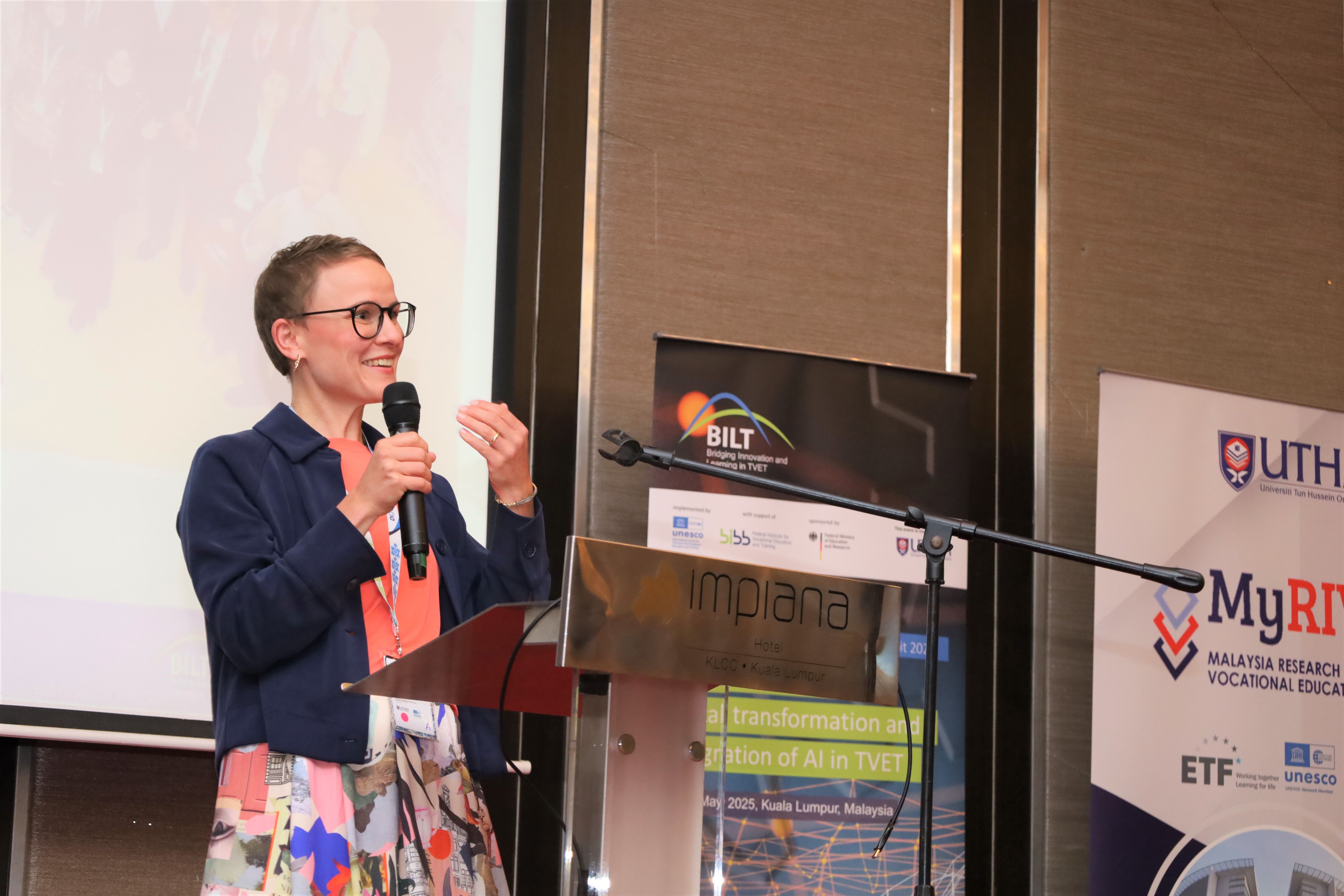
During his keynote, Michael Wiechert the Deputy Head of the International Vocational Education and Training division at BIBB, illustrated this with international cooperation examples. He noted how among both international partner institutions, as well as within the European context, there is a clear focus on digitalization and AI. Moreover, these themes also resonate with global TVET networks, such as the UNESCO-UNEVOC Network, in which BIBB has played an active role as a UNEVOC Centre since its inception.
Data, AI, and Ethical Questions
Another cross-cutting theme of the conference was the reflective use of data and AI, combined with the call for clear data collection, transparency, and ethical use standards. Two case studies illustrated how AI-based tools can strengthen the evidence base for decision-making processes:
UNESCO’s Global Skills Tracker – Early Indicator of Skills Trends
Hiromichi Katayama (UNESCO Jakarta) presented the prototype of the Global Skills Tracker. Based on large-scale, AI-supported data analysis—specifically from online job portals—an interactive dashboard reveals cross-sectoral and cross-country trends in skills demand. Policymakers can use this as an early indicator to identify shifting qualification requirements and areas requiring action.
AI-Supported Comparability of Qualifications
James Keevy (JET Education, South Africa) and Hannah Manoharan (Oman College of Health Sciences) presented another AI application: the international comparability of qualifications. Differing structures and terminologies in national qualifications frameworks hinder comparison. Generative AI models can identify semantic patterns in learning outcomes and competence descriptions—a promising approach that could, in the long term, support the development of compatible taxonomies and facilitate global recognition of competencies.
Hands-On: BILT Poster Gallery and Study Visit
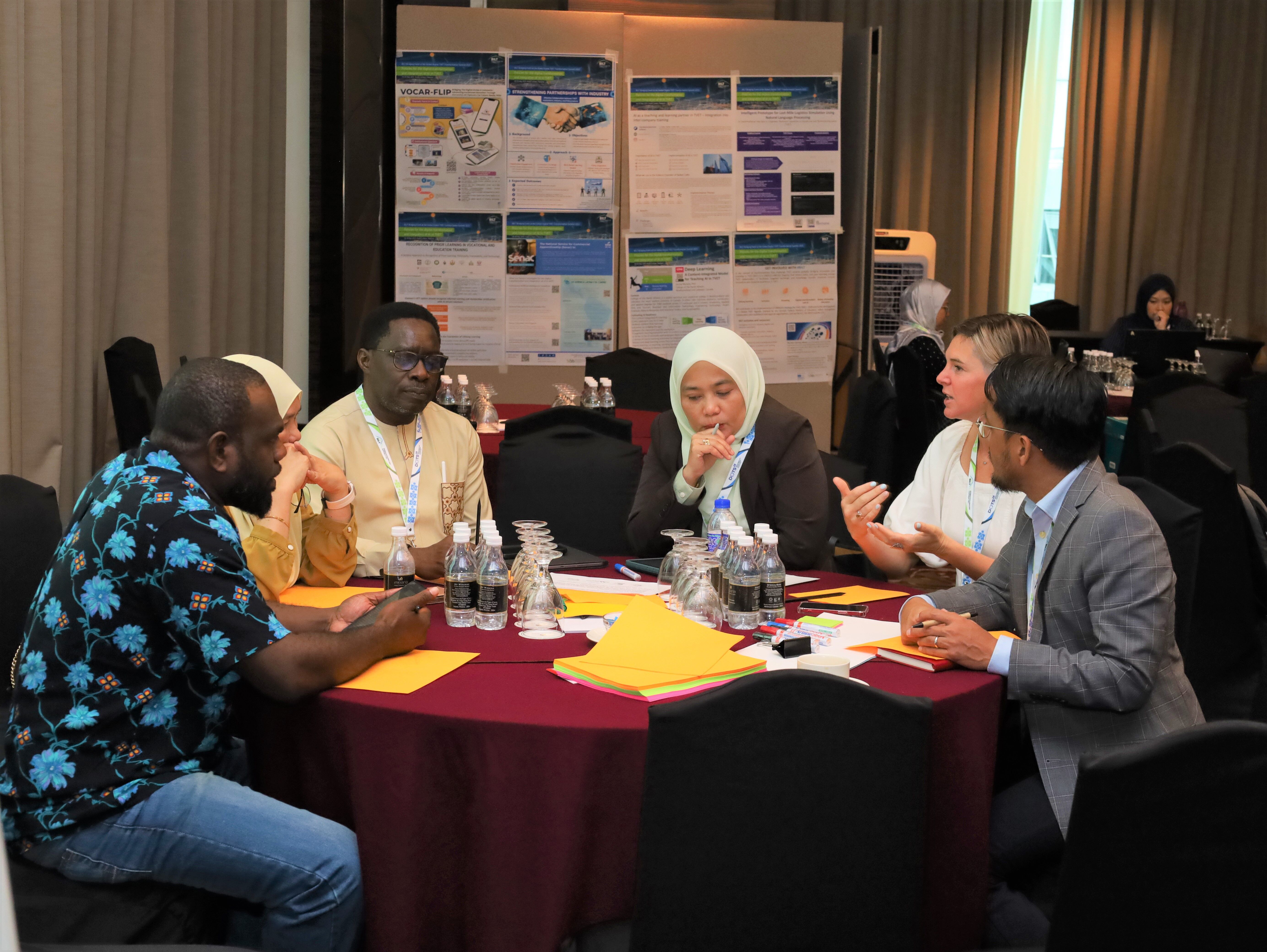
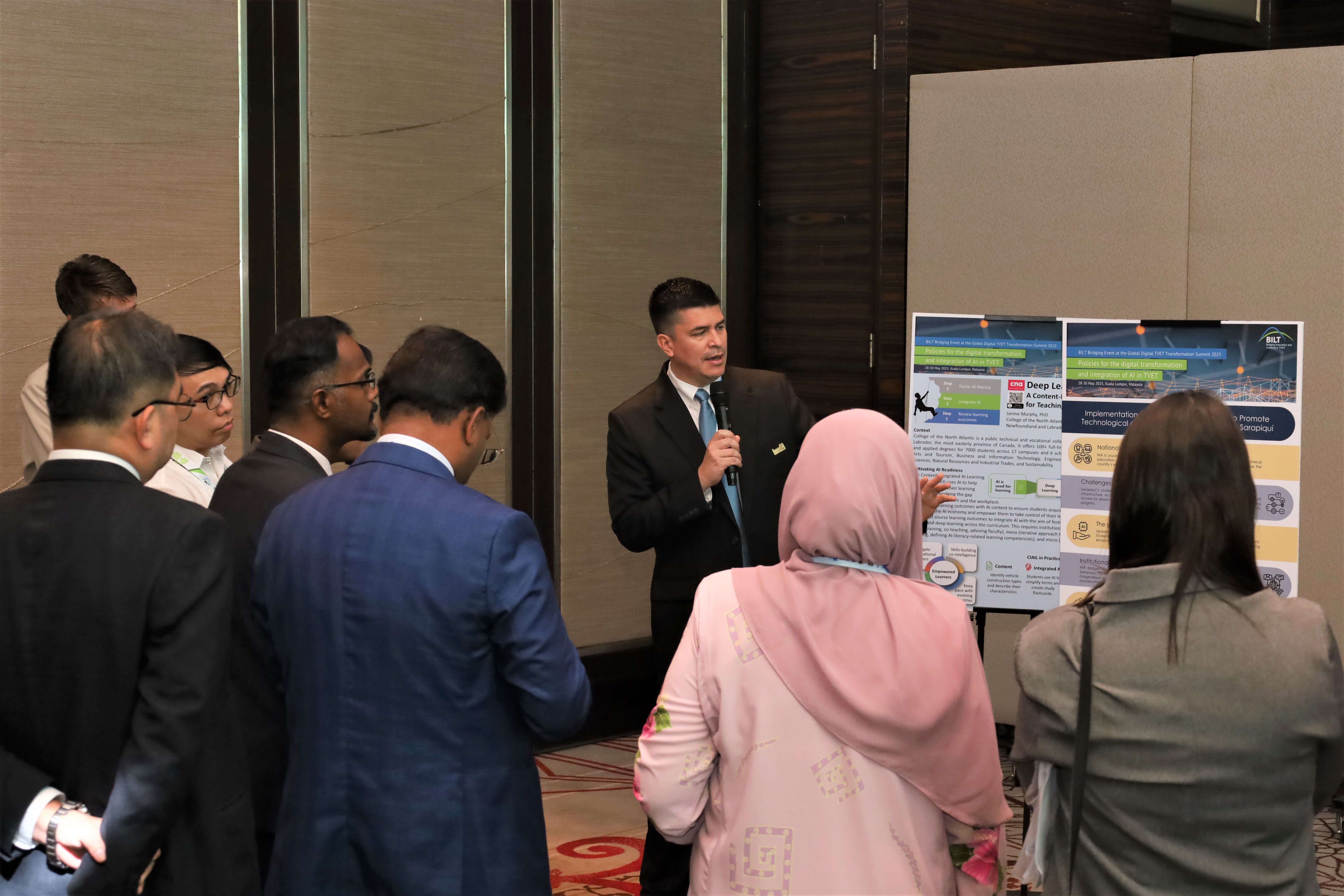
The BILT Poster Gallery showcased innovative practices from the global BILT community and offered space for direct exchange. Posters covered a wide thematic range—from AI-supported learning platforms to successful public-private partnerships and local implementations of education reforms. The interactive exhibition encouraged knowledge sharing and networking across institutional, sectoral, and national boundaries.
Germany’s TVET landscape was also visibly represented: all four German UNEVOC Centres participated with their own posters. BIBB presented two initiatives for qualifying TVET personnel for the digitalized world of work: MIKA (Media and IT Skills for Trainers) and KoDIA (Competences for the Digital Work Environment). Notably, the BILT Poster Gallery remains accessible online (see link in right column)!
A study visit to Community College Selayang rounded off the conference, offering practical insights into Malaysia’s vocational education system, with a focus on inclusive and digital teaching methods.
Conclusion: Multilateral Cooperation as a Key
A common thread throughout all contributions: international cooperation and knowledge exchange across world regions are essential. The fact that multiple contributors came from BIBB partner institutions—including KRIVET (South Korea), NCVER (Australia), INA (Costa Rica), and SENAC (Brazil)—underscored that bilateral relationships are already strong and that mutual learning is actively practiced.
As part of the 2025-launched BMBF initiative "Excellence in VET – Towards a Global TVET Agenda", multilateral and regional actors are in focus—to promote exchange at a global level and coordinate cooperation around shared priorities. UNESCO-UNEVOC is one of the multilateral partners in the initiative, under which the BILT project, established in 2019, continues. One thing is clear: Digitalization and AI will remain on the agenda of international TVET cooperation.