Boosting regional innovation in vocational training
BIBB’s International Roadshow on Digital Media in Vocational Education and Training in Manila brought together experts from the fields of technology, TVET practice and research
“Cut the talk, try it out!”. That was the credo of BIBB’s fourth International Roadshow (IR), which took place on 9 October in the Philippine capital Manila. The event was organised by BIBB together with its long-standing partner TESDA (Technical Education and Skills Development Authority).
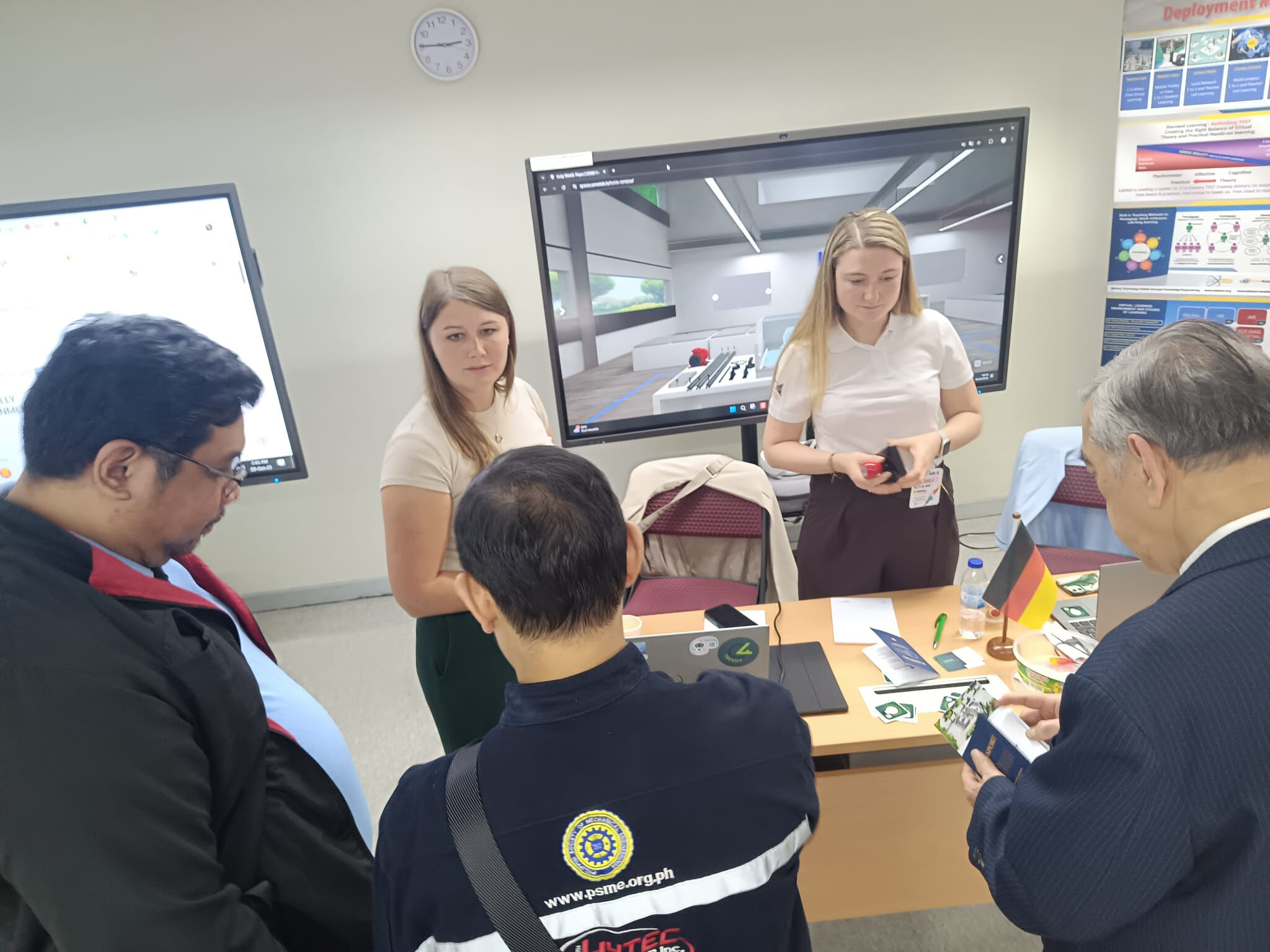
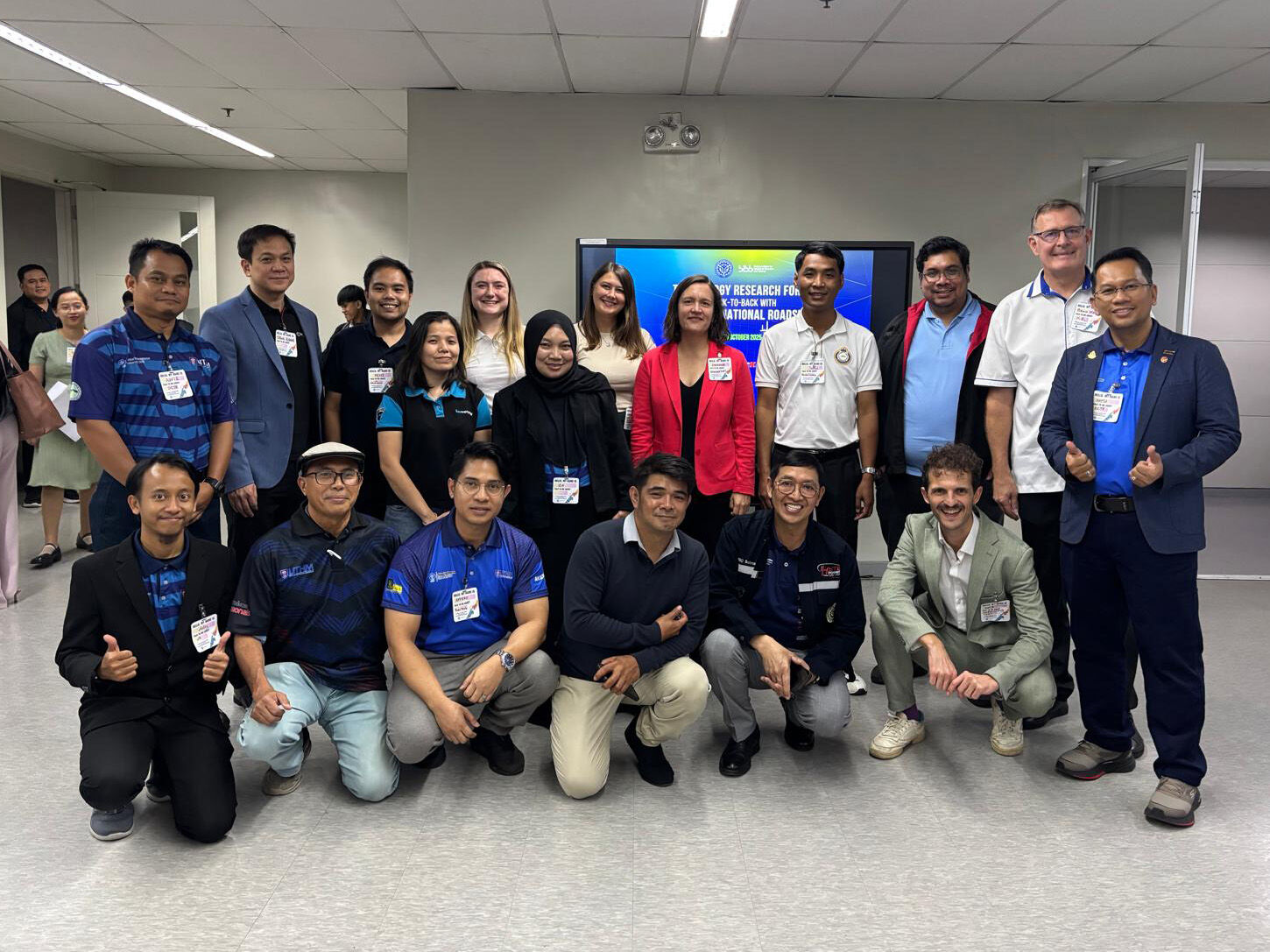
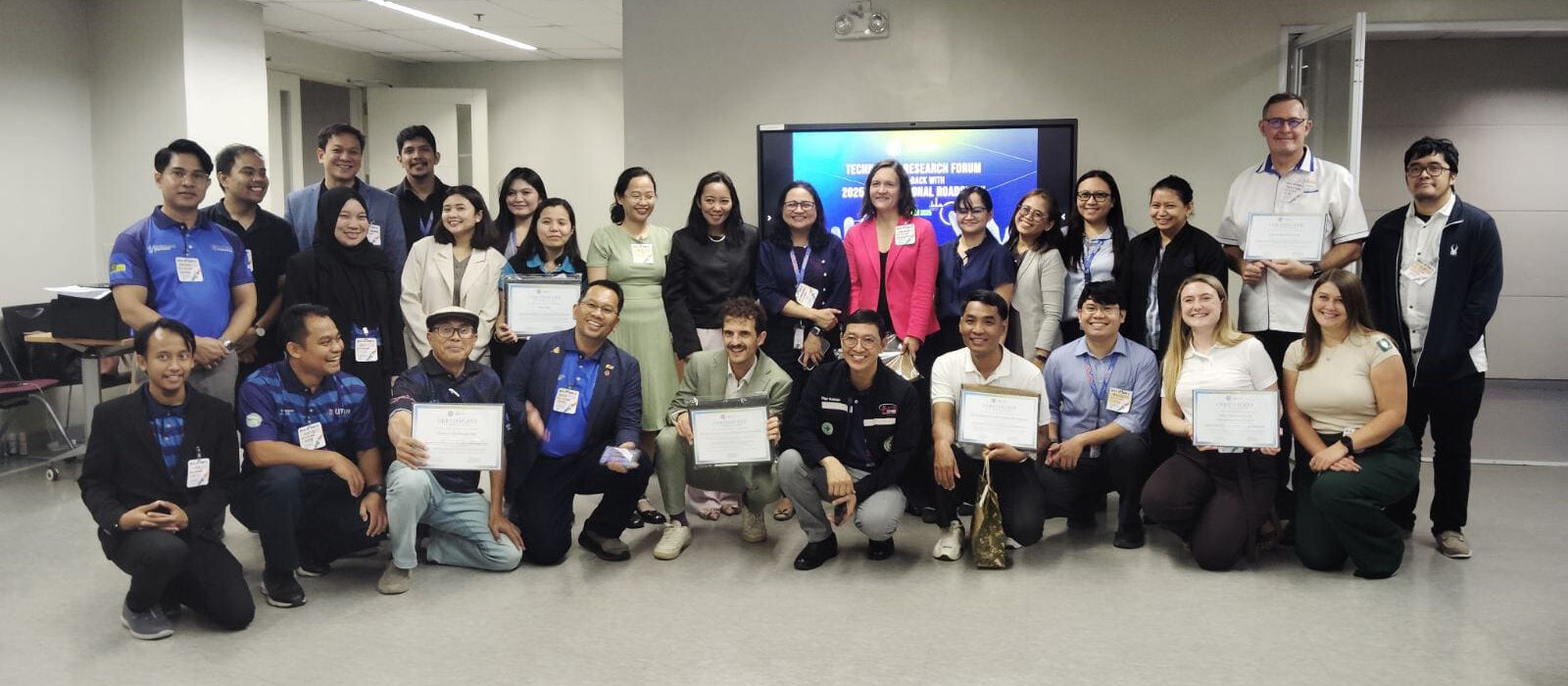
The IR was embedded in TESDA's Technology Research Forum, which was aimed at industry, science, administration and TESDA's training staff. Over 200 participants accepted the invitation to the University of the Philippines. In the conference hall, it was all about boosting TESDA’s innovation potential by implementing new methodologies, such as Design Thinking. Meanwhile, six international forerunners of digital tools in TVET invited visitors to try them out and discuss them in the exhibition area in front of the hall. From XR-technologies to AI-fuelled scenario-based learning, the IR projects covered a wide range of technologies and sectors. The projects from Cambodia, Indonesia, Malaysia, Singapore, the Philippines and Germany had previously prevailed in an international selection process involving a dozen innovative vocational training projects.
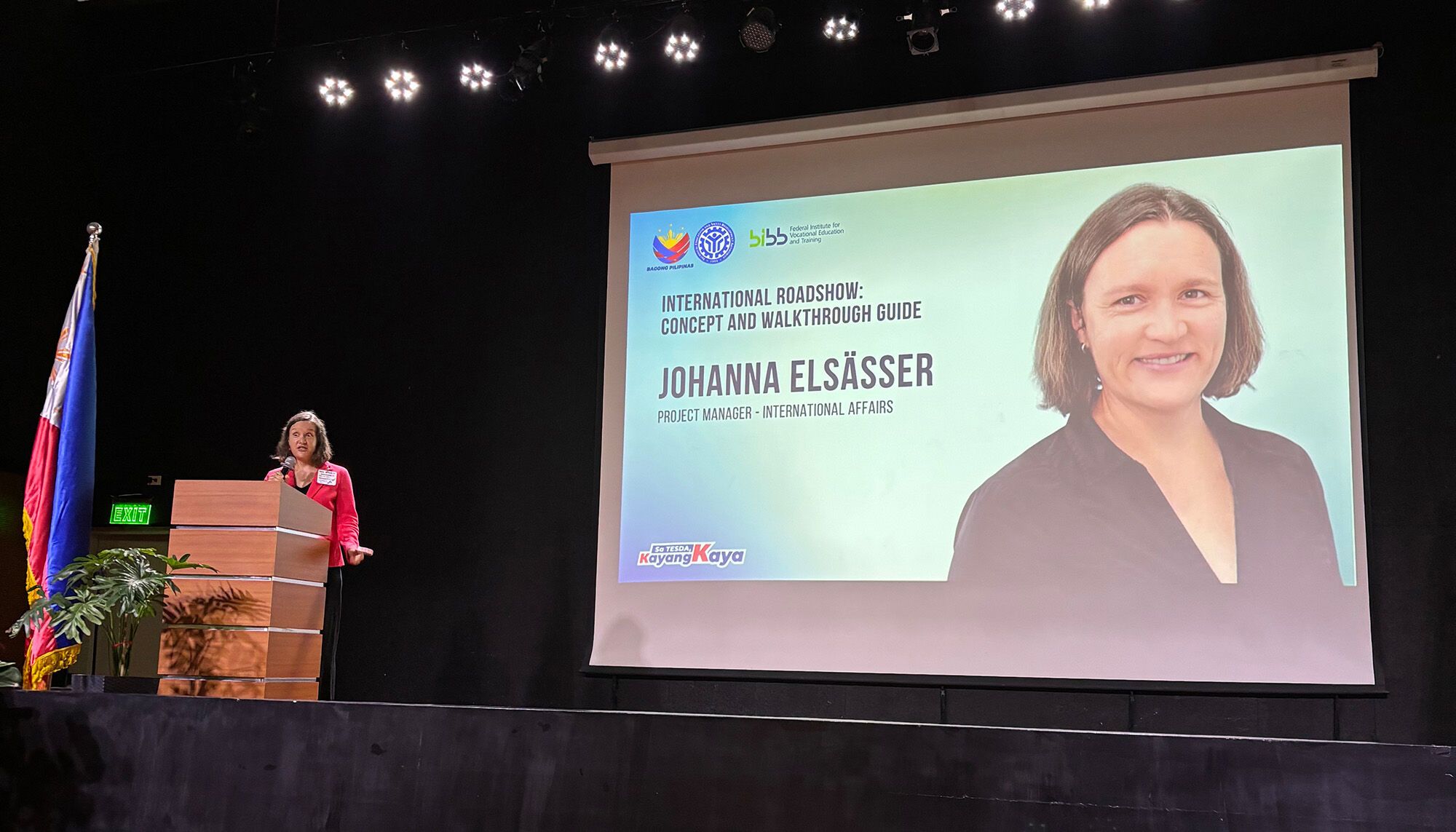

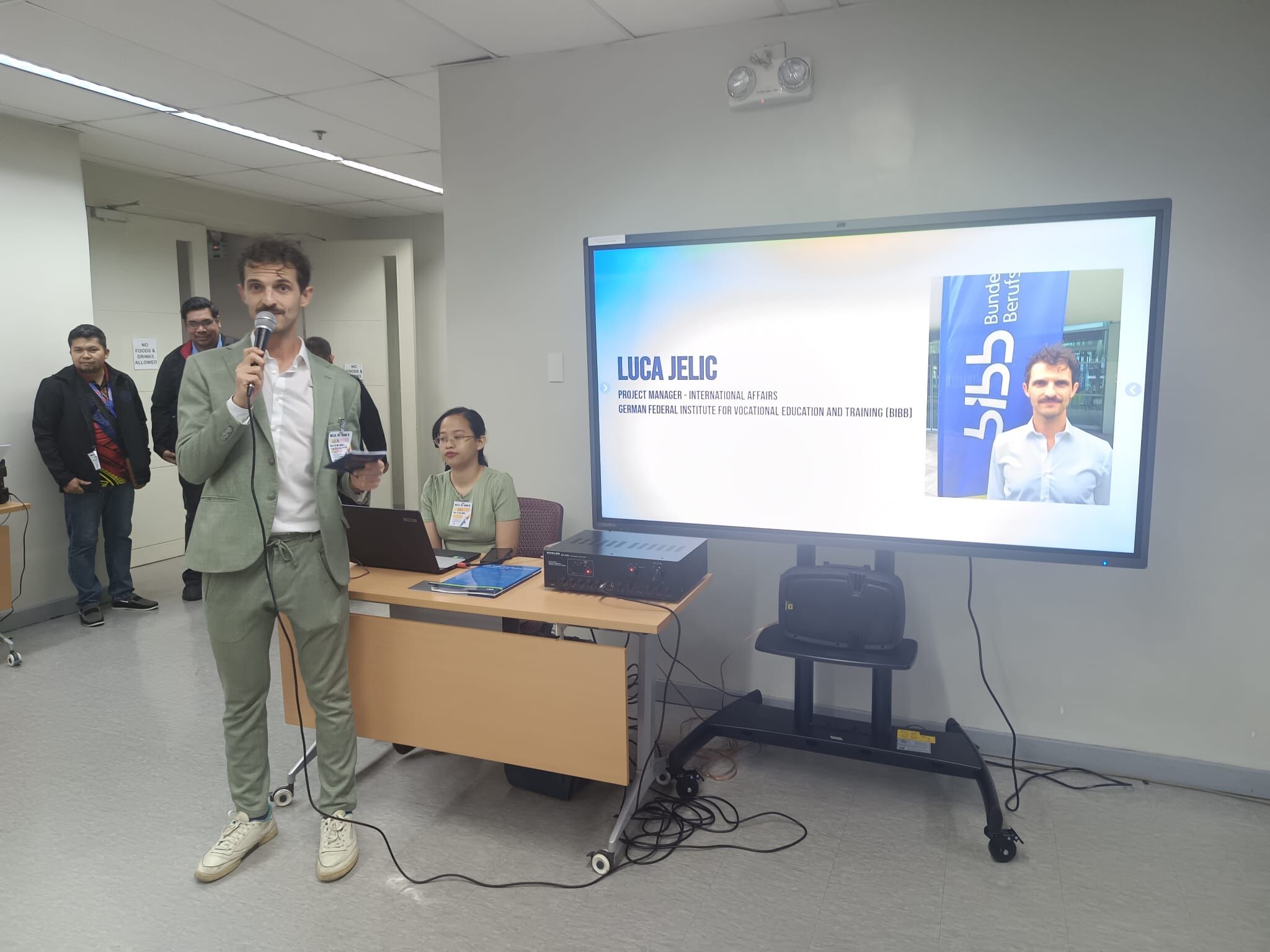


The innovative examples from Asian are also of great interest to the educational landscape here in Germany. "We are very pleased to be able to hold the roadshow together with TESDA," BIBB Research Director Prof. Hubert Ertl emphasized in his video greeting. The combination of technology, didactic approaches and well-qualified training personnel is of particular interest to both regions. "Far too often, solutions are developed in isolation, making transfer a priority right from the outset," Ertl continued. Therefore, a constant exchange of best practices is essential.
Prof. Dr. Hubert ErtlResearch Director and Vice President of BIBB (in his video message)
„Way too often solutions are developed in isolation without prioritising transfer right from the start.”
Rosanna A. UrdanetaDeputy Director General for Policies and Planning at TESDA
"Our collaboration with BIBB exemplifies how local innovation can be strengthened through global expertise."
BIBB’s position received full support from Rosanna A. Urdaneta, TESDA's Deputy Director General for Strategy and Planning: "Our cooperation with BIBB is an example of how regional innovations can be strengthened by global expertise," said Urdaneta. The IR contributes to making TVET for young people more interactive, accessible and appealing. Regional networking within the Asia-Pacific region is particularly valuable in this regard, ensuring that the digital transformation benefits as many people as possible.
Brief introduction to the exhibitors
Temasek Polytechnik (Singapore): AI-based authoring tool for generating role-plays
Individual support, measurement, and feedback: Annoying passenger? Anxious patient? With this tool, trainers can create digital role-plays in which trainees can practice their communication skills in socially challenging work situations. Trainees can communicate with an avatar in real time, and their responses are evaluated automatically. In addition, trainers can customize the feedback and thus provide even more accurate feedback.
Temasek Polytechnik (Singapore)

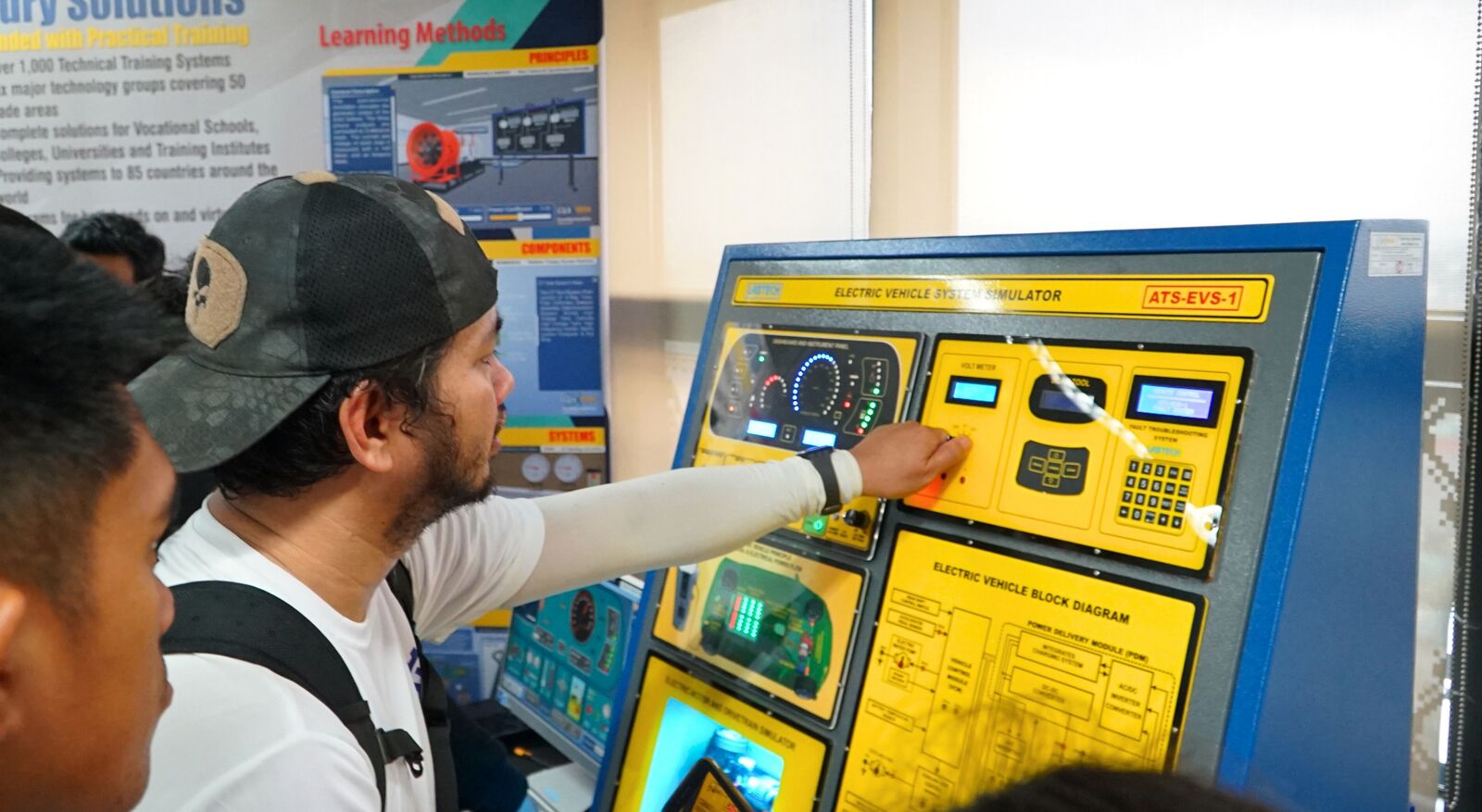
Labtech (Indonesia): XR application for electric vehicles
“The digital controls the physical, and the physical controls the digital.” This quote refers to Labtech's digital twins in technical training. This technology allows trainees to access physical systems regardless of their location. The application presented here from the automotive industry makes it possible to understand how electric cars work, simulate faults, and train one's own diagnostic skills – without the need for a physical car.
École d'Hotellerie et Tourisme (EHT) Paul Dubrule (Cambodia): Learning platform for the hotel and tourism sector
“Would you like another peppermint parfait?” The EHT focuses on the production of these and other delicacies, as well as training in all other professions involved in a pleasant hotel stay. In addition to technical training, the EHT has focused on sustainability in recent years and enriched its digital curriculum with integrative sustainability skills. This was presented during the roadshow.
École d’Hôtellerie et de Tourisme Paul Dubrule
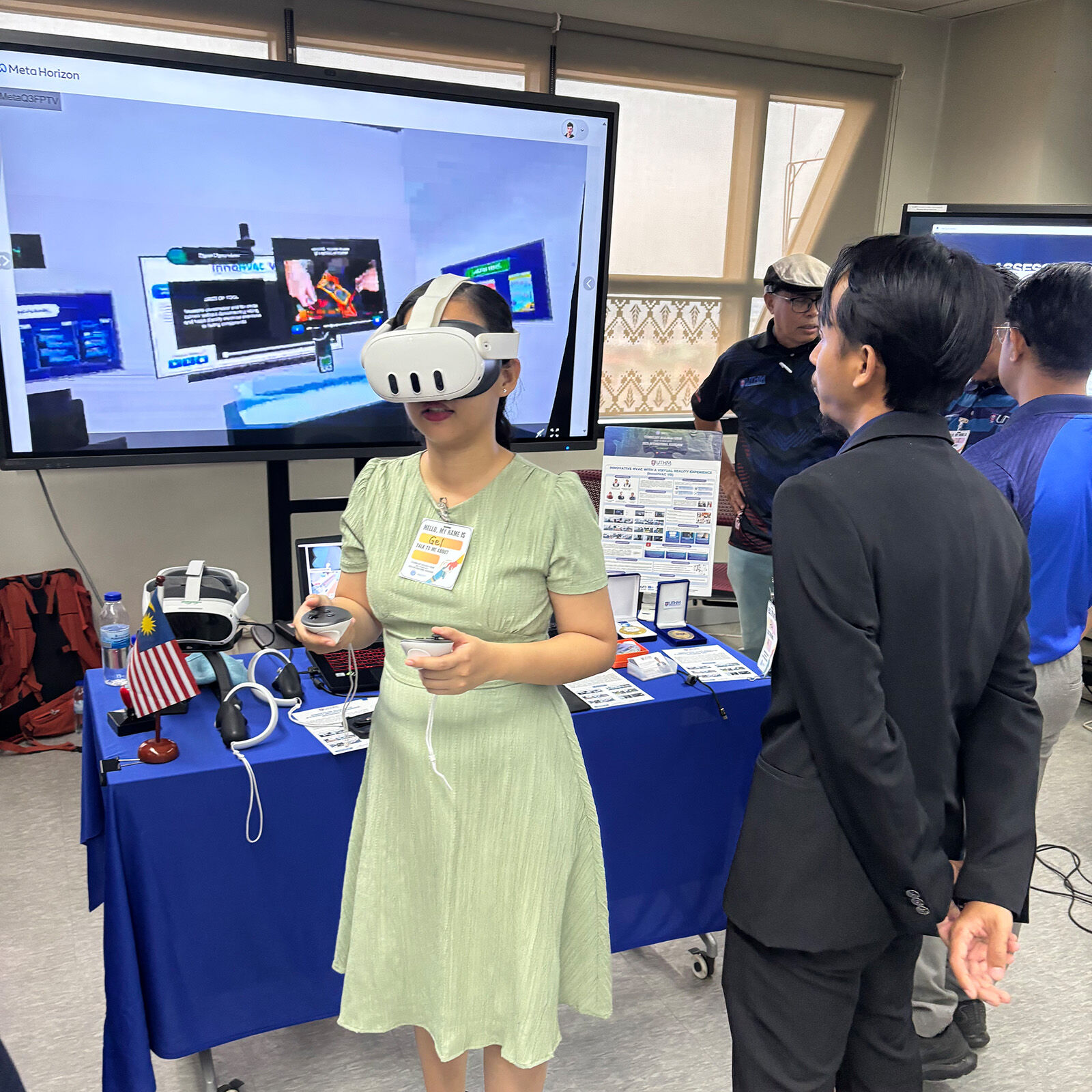
Universiti Tun Hussein Onn (UTHM, Malaysia): VR application for air conditioning technology
Cooling system at fault? Air conditioning stops working at 38°? UTHM has developed VR-based training to teach trainees in this sector and people on low incomes basic skills in repairing refrigeration and air conditioning systems. The aim is not to focus on training, but to provide targeted support to enable people to repair their own appliances when simple problems arise.
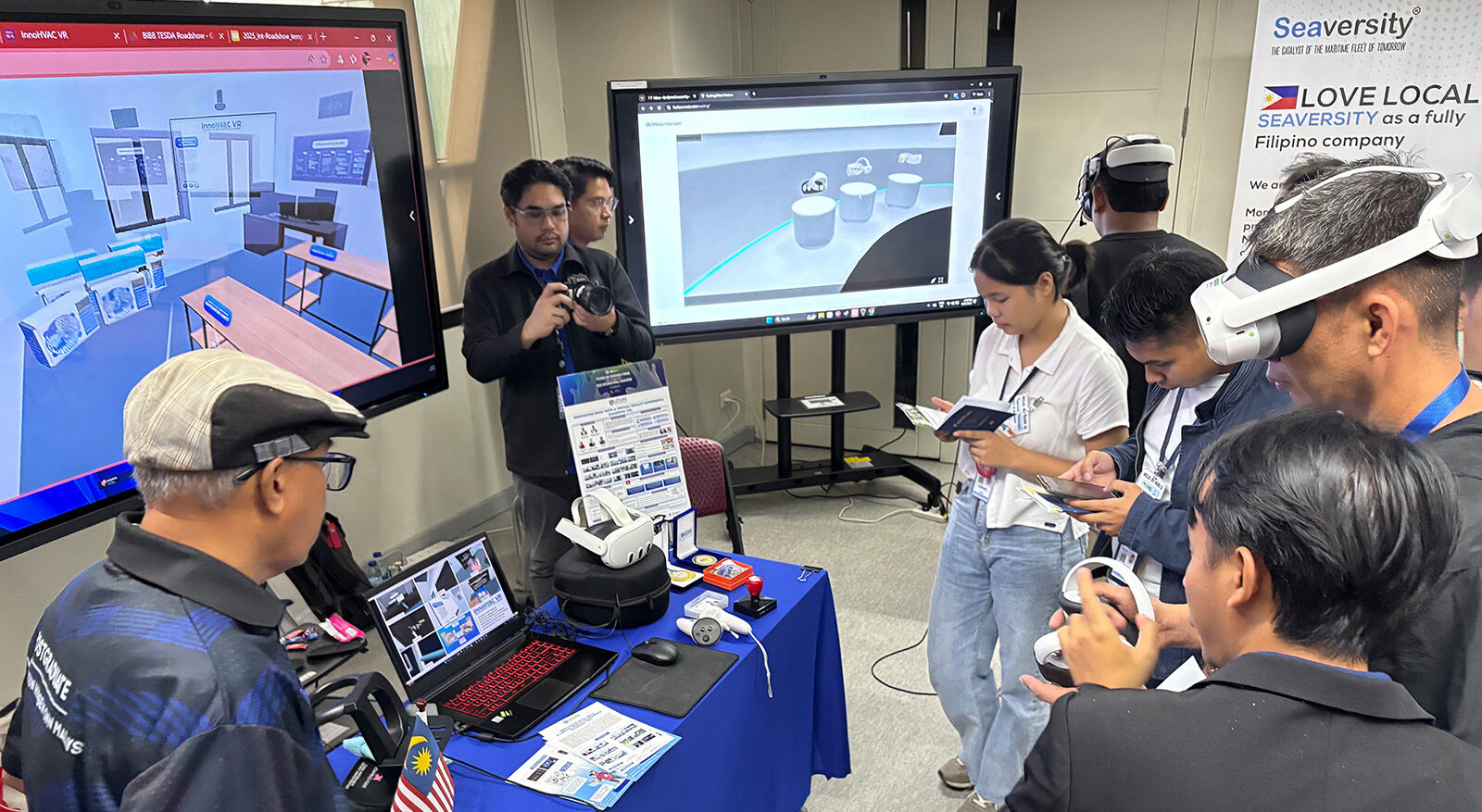
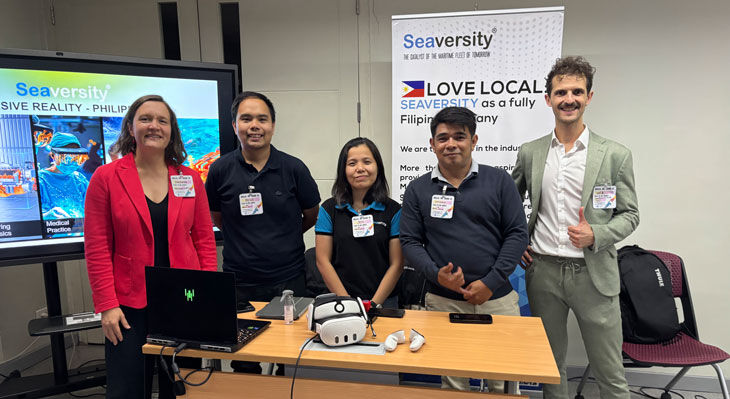
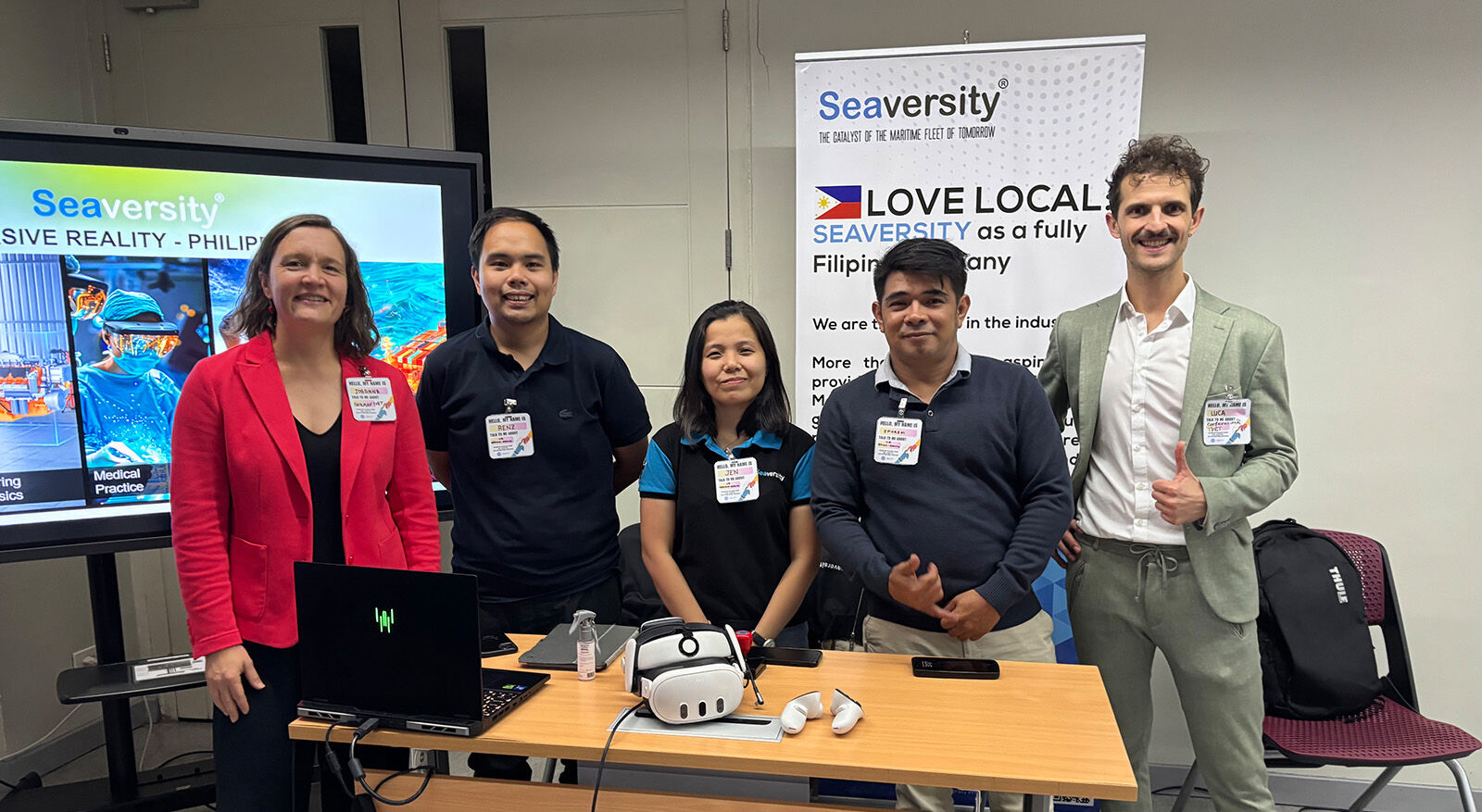
Seaversity Innovations (Philippines): Virtual training for the maritime sector
Seaversity's VR courses make it easier to start a career in seafaring. Seaversity offers VR-supported courses for various professions “on board,” covering everything from anchoring to ignition. To this end, they cooperate with well-known shipping companies. Based in Manila, Seaverisity wants to show that Philippine game development in the education sector is full of talent and creativity. This is now also being recognized beyond the shipping industry.
Inter-company Training Center East Bavaria (Weiherammer): “NextGenLearn” project – holistic digital support for learning processes using serious games and XR
What do you get when you bring together e-learning, serious games, VR, and AR? The NextGenLearn project shows how different technologies can be used holistically and learner-centered for different learning processes. From knowledge acquisition to practical application with tutorial support, digital technologies can support trainees and promote their ability to learn independently.

Networking and cooperation opportunities for exhibitors
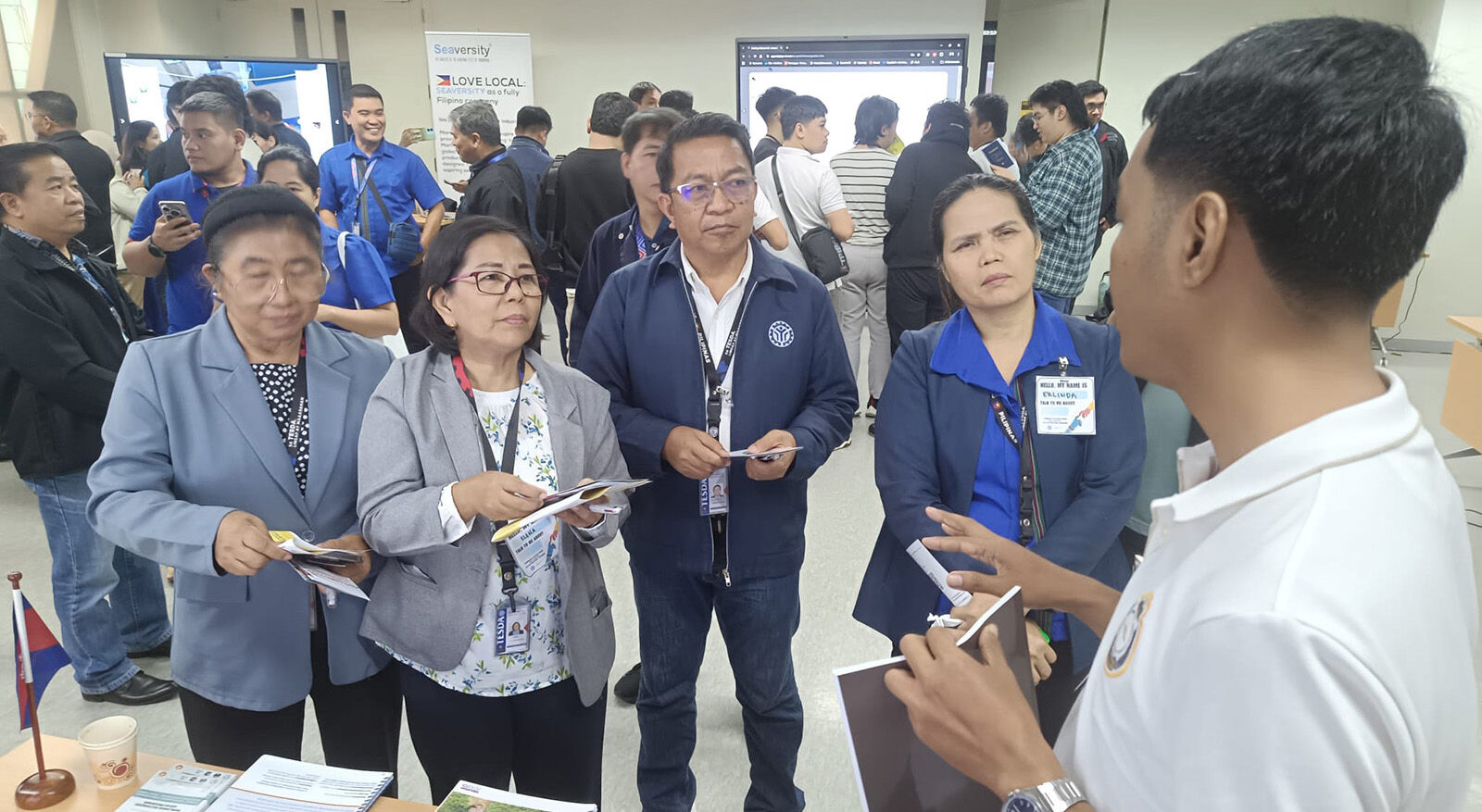
In addition to the TVET experts, a group of around 30 TESDA trainees visited the roadshow in the afternoon, ensuring lively interaction. The exhibitors were particularly grateful for this opportunity to exchange ideas: "It was a great pleasure to meet so many inspiring professionals and committed students. The energy, collaboration and innovative spirit that could be felt there were extraordinary," said Brad Ker, Head of Digital Programmes and Blended Learning Specialist at Indonesian education provider Labtech. Overall, exhibitors were impressed by the many networking and collaboration opportunities and the valuable input provided by exhibition visitors.
Analogue learning documentation
The IR in Manila marked the fourth international roadshow since BIBB has kicked-off the format in 2019 - all four editions being held in different locations. A special feature this year was the so-called "Learning Passport". Each guest received a small blue passport with brief descriptions of the exhibition projects – in paper form, not digital. The learning passports provided the participants with opportunities to document their ideas for implementing and adopting the approaches they had learned about. Those who wished could have their passports stamped by the exhibitors. At the end, TESDA offered a small surprise token of appreciation for those with fully stamped passports – an offer that was very well received.
Strengthening German-Philippine exchange
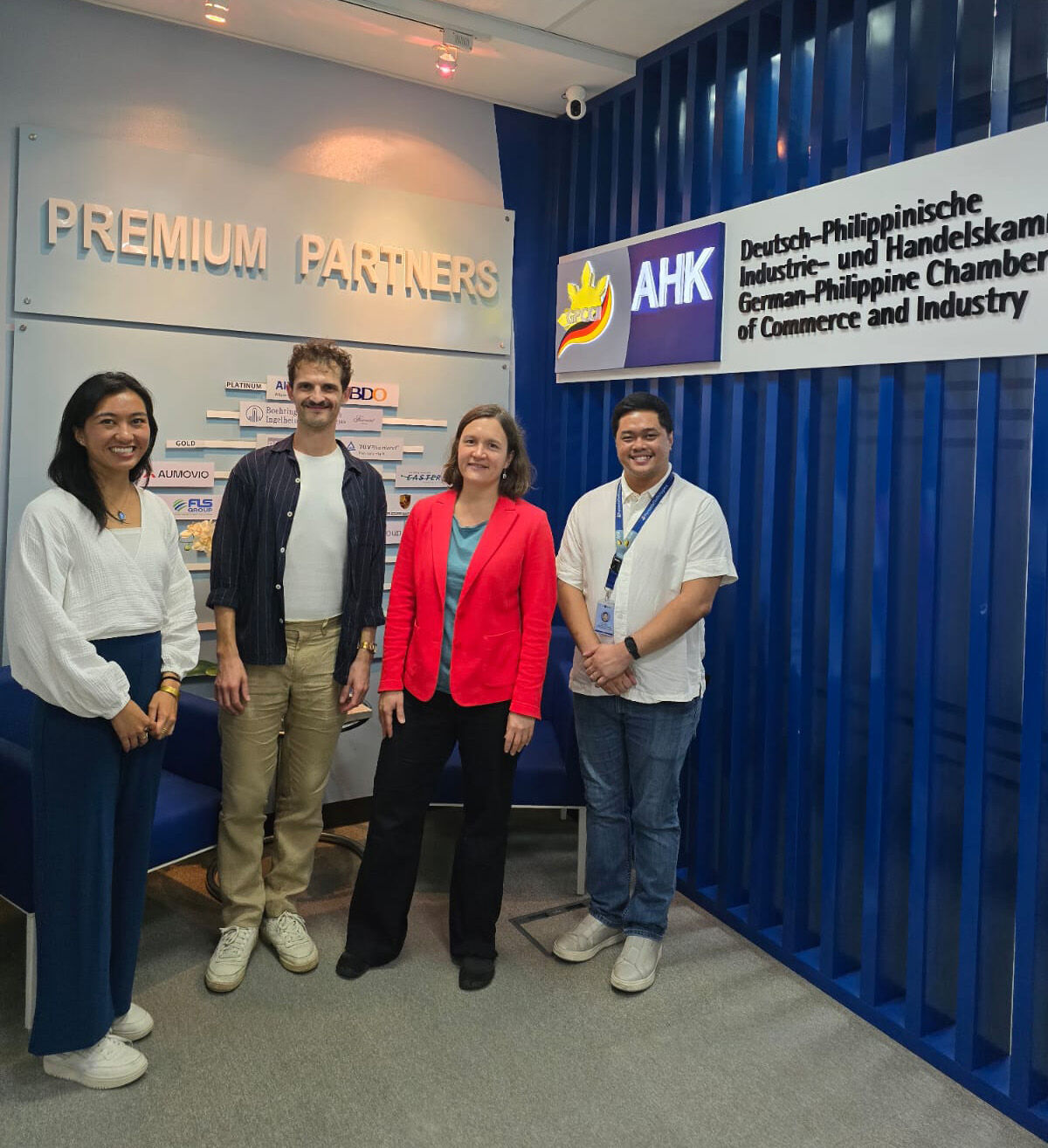
In addition to the roadshow, the German organisers of the roadshow (Johanna Elsässer and Luca Jelic) had some time left to discuss current topics with TESDA. During a tour of a regional TESDA training centre, they learned about current training programmes and were given a glimpse into the workshops, including those for pastry, solar energy, mechatronics and welding. At the end of the trip, the BIBB representatives exchanged views with the AHK Philippines on their work on dual VET and on the cooperation between TESDA and BIBB, which has been running successfully since 2014.