On Sustainable Partnerships in TVET: Industry Collaboration and Innovation
Interview with Professor Sello Mokoena, University of South Africa, on the occasion of the BILT Bridging Event in South Africa.
29.04.2026
How can private sector engagement be strengthened to support more practice-oriented vocational training? What innovations are emerging from partnerships with industry? These questions will take center stage at the BILT Bridging Event, held from May 19–21, 2026, in Umhlanga, South Africa.

As part of the BMBFSFJ initiative “Towards a Global TVET Agenda” (TGTA), UNESCO-UNEVOC is organizing the international conference with support from the TGTA team at BIBB and in collaboration with the three South African UNEVOC centers: the University of South Africa (UNISA), the Durban University of Technology (DUT), and JET Education Services.
Under the theme “Advancing TVET through industry partnerships and innovation,” the conference will highlight practical approaches – from work-based learning to micro-credentials and AI-supported teaching and learning – and explore how these can be co-developed and implemented in partnership with industry.
This interview offers insights into the key themes of the event – and warmly invites you to join selected sessions via livestream.

Sello Mokoena – As a Professor in the Department of Education Leadership and Management at the University of South Africa (UNISA), Sello Mokoena has been engaged in teaching, research, and academic development since 2008. His work focuses on shared leadership, change management, distance education, and e-learning. He supervises master’s and doctoral research and combines his academic work with practice-oriented educational projects, particularly in the area of capacity building at TVET colleges.
UNISA- A new host in the UNEVOC Network
A special highlight: In March 2026, the University of South Africa celebrated its inauguration as a UNEVOC Centre—and just a few weeks later, UNISA is already taking on a key role as host of the 2026 BILT Bridging Event.
With a history spanning more than 150 years, UNISA is one of the world’s leading institutions in open, distance and e-learning (CODeL). As host, it actively contributes its expertise in digital education, research, and international collaboration to the conference.
TVET needs to demonstrate that it creates real opportunities

BILT: Prof. Mokoena, why is the conference theme “Advancing TVET through industry partnerships and innovation” particularly timely for TVET systems in South Africa and across the African continent?
Prof. Sello Mokoena: From my perspective, this theme is extremely timely because TVET systems in South Africa and across the continent are expected to adapt to respond to changing labour market needs, new technologies and evolving qualification frameworks. It is no longer enough to focus only on classroom‑based provision, we have to show that TVET can deliver relevant, work‑based and innovation‑driven programmes that genuinely improve youth employability and support inclusive growth.
In South Africa, the move to South Africa’s Quality Council for Trades and Occupations (QCTO)‑accredited occupational qualifications is a major step forward, but many TVET Colleges in the country are still grappling with how to build sustainable partnerships with industry in the form of Public, Private Partnerships (PPPs), to secure enough quality Work‑Based Learning (WBL) opportunities for students, and integrate emerging technologies such as Artificial Intelligence (AI) at scale.
For me, Advancing TVET through industry partnerships and innovation is a chance to bring these strands together in a focused way and to position TVET more strongly as a driver of industrialisation, green and digital transitions, and the aspirations of continental strategies such as the African Union’s Agenda 2063.
Prof. Sello Mokoena
Global collaboration as a key to future-ready TVET systems
BILT: What role does the event play in the context of developing a global TVET agenda?
Prof. Sello Mokoena: I see this BILT event as a very practical contribution to the “Towards a global TVET agenda” initiative because it offers a concrete space where policymakers, practitioners, employers, and researchers from various regions can learn from each other. By focusing on WBL, industry co‑creation, digitalisation (including AI), and regional cooperation, we are not just talking about reform in the abstract; we are surfacing actual models, tools and partnerships that can feed into global debates and future cooperation.
Looking ahead, one key priority I would highlight for a global TVET agenda is embedding sustainable TVET-industry partnerships (PPPs) into the core of policy, governance, and financing arrangements. These can take the form of amongst others the provision of sustainable incentives by governments to enable sustainable PPPs between the TVET sector and industry. If these collaborations remain ad hoc or project‑based, we will not be able to scale WBL and innovation‑driven programmes in a meaningful way.
We need systems that support flexible learning pathways, including micro‑credentials and lifelong learning, and that are explicitly aligned with green and digital transitions, so that international initiatives like the “Towards a global TVET agenda” initiative can help countries to share and adopt proven partnership approaches rather than reinventing them in isolation.
Strong partners in South Africa: UNISA, DUT, and JET Education Services
BILT: UNISA is hosting this event together with the two other South African UNEVOC Centres. What makes this collaboration unique?
Prof. Sello Mokoena: I am excited that UNISA is hosting this event together with the Durban University of Technology (DUT) and JET Education Services, our fellow UNEVOC Centres in South Africa. This partnership brings together different strengths: UNISA’s experience as a large, open distance e‑learning institution; DUT’s applied, technology‑oriented profile; and JET’s deep expertise in education research, system reform and implementation support.
As host institution, we see our role as helping to ensure that the event does not end when the last session closes. Supporting our sister UNEVOC Centre JET in the development of the discussion paper, is one way we hope to assist in capturing the insights, case studies and recommendations emerging from the BILT event and make them useful for ongoing national, regional, and global TVET conversations.
Innovative and practical solutions at the heart of the programme
BILT: Which sessions are you most looking forward to?
Prof. Sello Mokoena: I am particularly looking forward to the sessions that unpack what makes TVET-industry partnerships truly sustainable, those that look at enabling policy environments, incentive mechanisms, and quality assurance for WBL. These are the practical questions that many of us in the system struggle with, and honest discussion of successes and challenges will be very valuable.
I am also keen to see how different countries and institutions co-design programmes with employers in response to digitalisation. Another set of sessions I expect to stand out are those showcasing innovative practices around micro‑credentials, AI‑enabled teaching, learning and assessment, and digital learning ecosystems. For a distance and digitally‑oriented institution like UNISA, these are not abstract issues, they are central to how we widen access, improve flexibility, and maintain quality at scale.
I am also looking forward to the cross‑regional peer learning that builds on the 2025 Kuala Lumpur BILT event and connects to the next Bridging Event in November in São Paulo. Those conversations can help us situate African experiences within a broader global movement and ensure that our regional insights actively shape the evolving global TVET agenda.
Driving the future of TVET
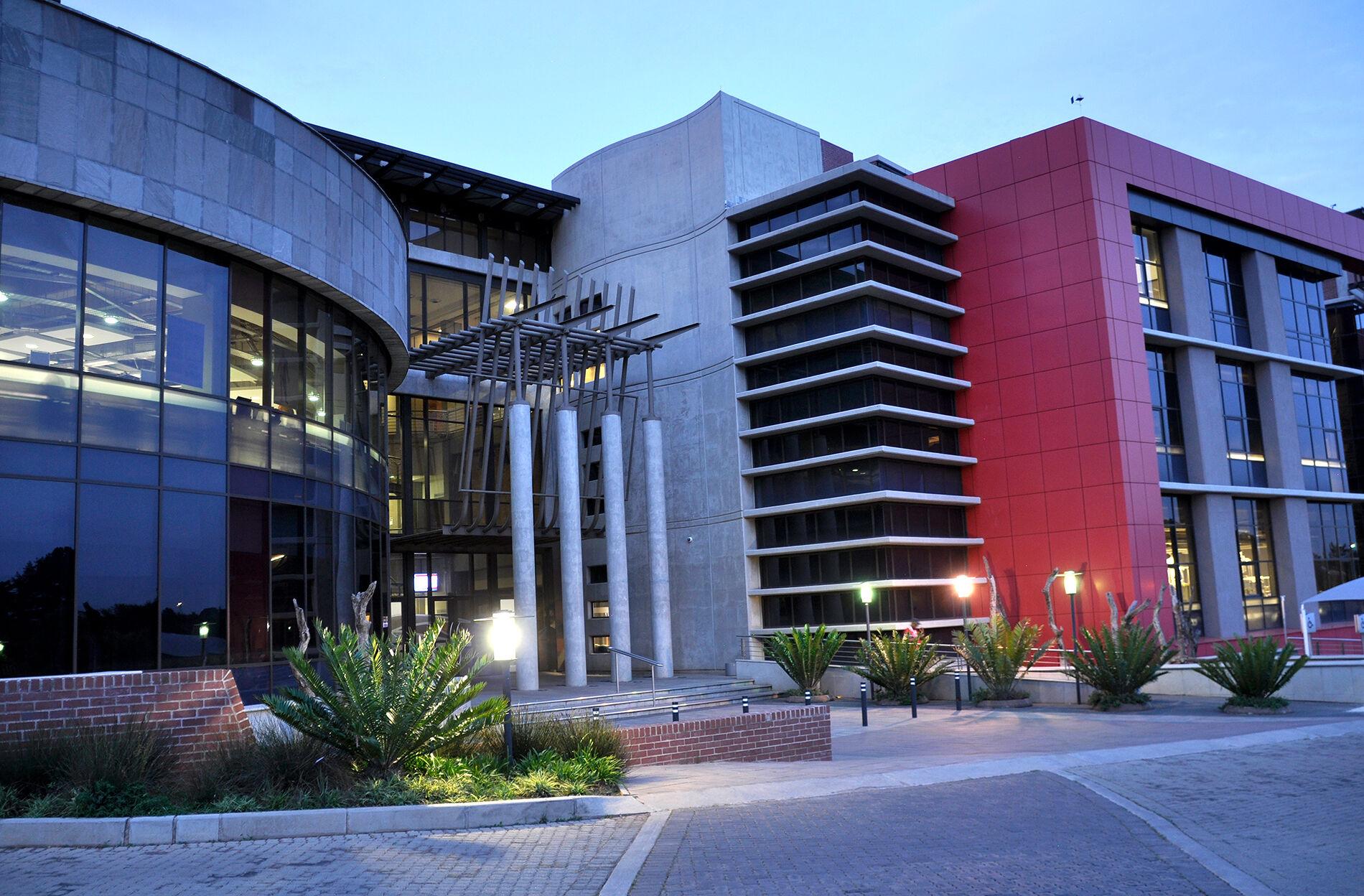
The BILT Bridging Event in Durban will serve as a key platform for dialogue, networking, and cross-regional learning. It aims to generate momentum for advancing TVET systems and practice towards more sustainable and innovative collaboration between TVET and industry.
BIBB looks forward to strengthening partnerships within the UNEVOC Network and, together with UNESCO-UNEVOC and the South African UNEVOC centers, contributing to key themes of the “Towards a Global TVET Agenda” initiative.